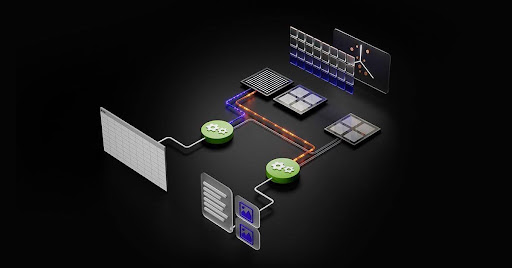
GPU-accelerated vector indexing in Elasticsearch with NVIDIA cuVS: 138M vectors in under 10 minutes
Moving index builds to the GPU leaves the CPU free for queries, which is how vector indexing throughput went up 7x and p90 search latency fell 6x while indexing ran, with no change to recall.

Agentic workflows in Elasticsearch: pause an AI agent for human approval, resume 72 hours later
Build AI agent orchestration where the workflow waits for a human approval and then executes the fix on its own, with nothing extra to provision and the whole decision trail queryable in Elasticsearch.

One field, one copy: How Elasticsearch columnar storage drops the inverted index
Storing each field once means no inverted index, so doc values now read in bulk and skippers let queries skip whole ranges of documents, while new mapping attributes control what each field is allowed to contain.
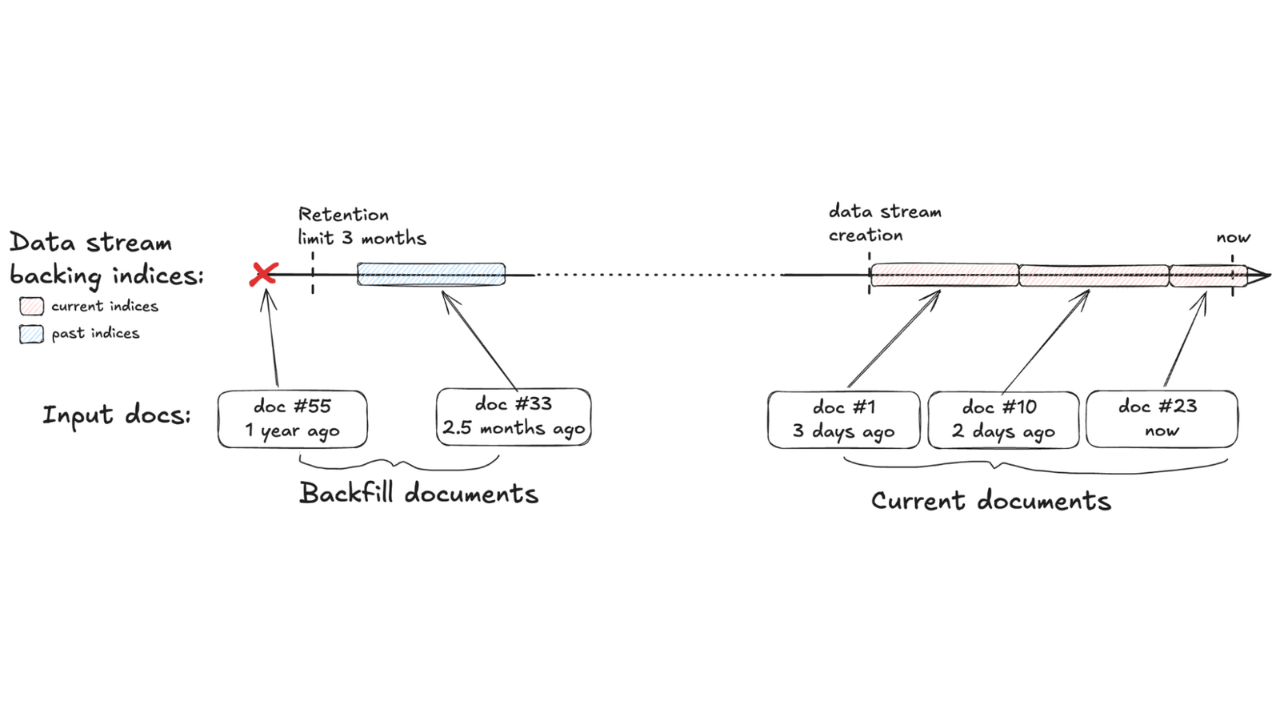
Backfill time series data in Elasticsearch: Load months of historical metrics through the bulk API
Elasticsearch works out the time boundaries and creates the past backing indices as the documents land, so a historical data migration runs on your normal ingest path.
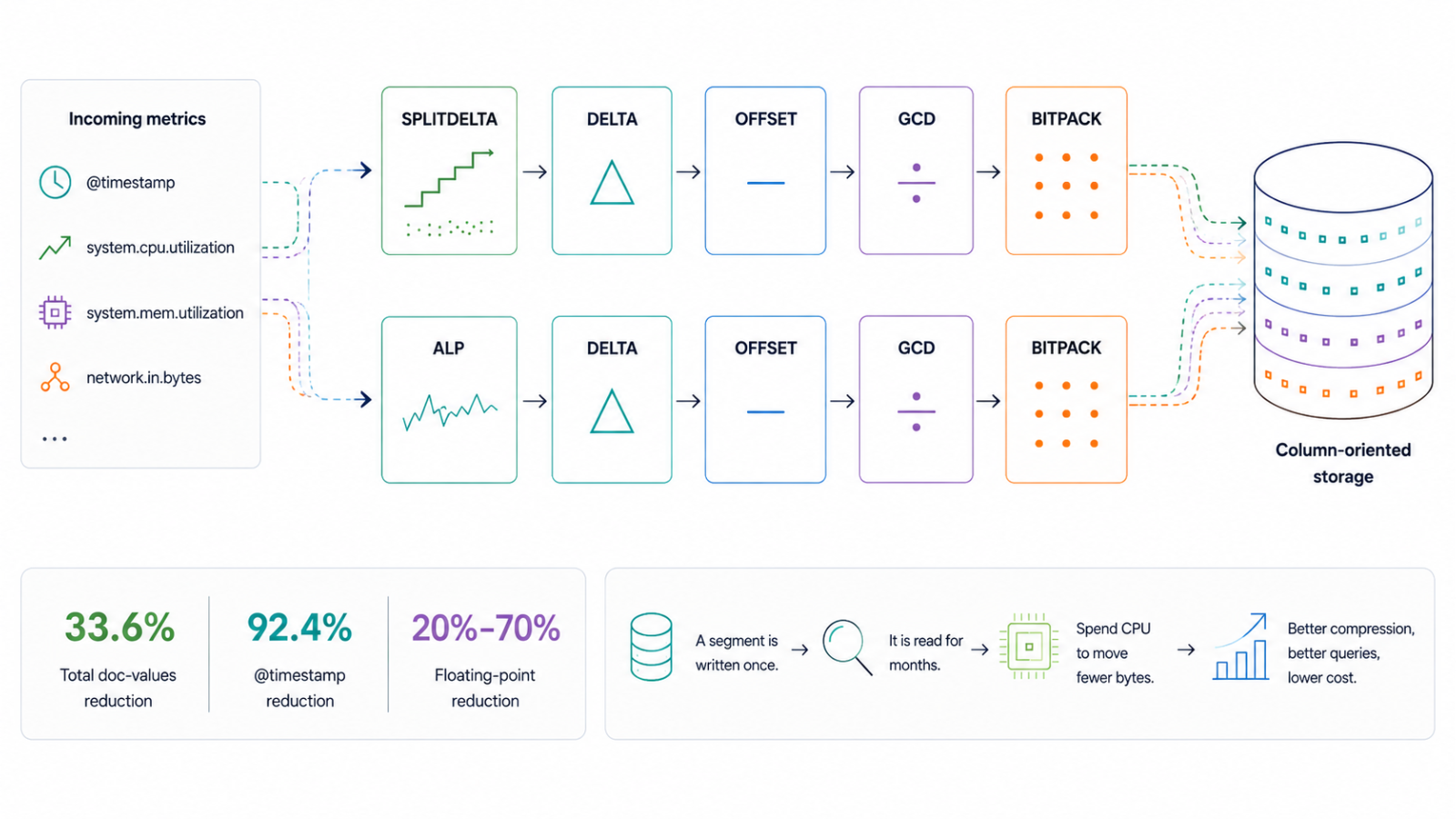
ES95: Adaptive Compression for Elasticsearch Time-Series Metrics
ES95 is Elasticsearch 9.5's new adaptive time series codec that cuts @timestamp storage by 92% and floating point fields by up to 74%, with zero configuration.

Two lines of JSON to replace your ILM policy: data stream lifecycle adds frozen tier support
In Elasticsearch 9.5, frozen_after in data stream lifecycle moves indices to searchable snapshots on object storage on their own, keeping them queryable alongside downsampling and retention.

One field, every modality: how Elasticsearch's semantic field indexes and searches images, audio, video and PDFs automatically
The semantic field turns images, audio, video, PDFs and text into multimodal embeddings at ingest time. Describe a scene and find the matching image or use a video frame to surface related clips, all from one Elasticsearch field.

Why your Elasticsearch cluster is hitting disk watermarks: 14 real-world causes explained
Learn how Elasticsearch disk watermarks work, why they trigger, and how to diagnose 14 of the most common scenarios Support encounters, from index bloat to ILM stalls.
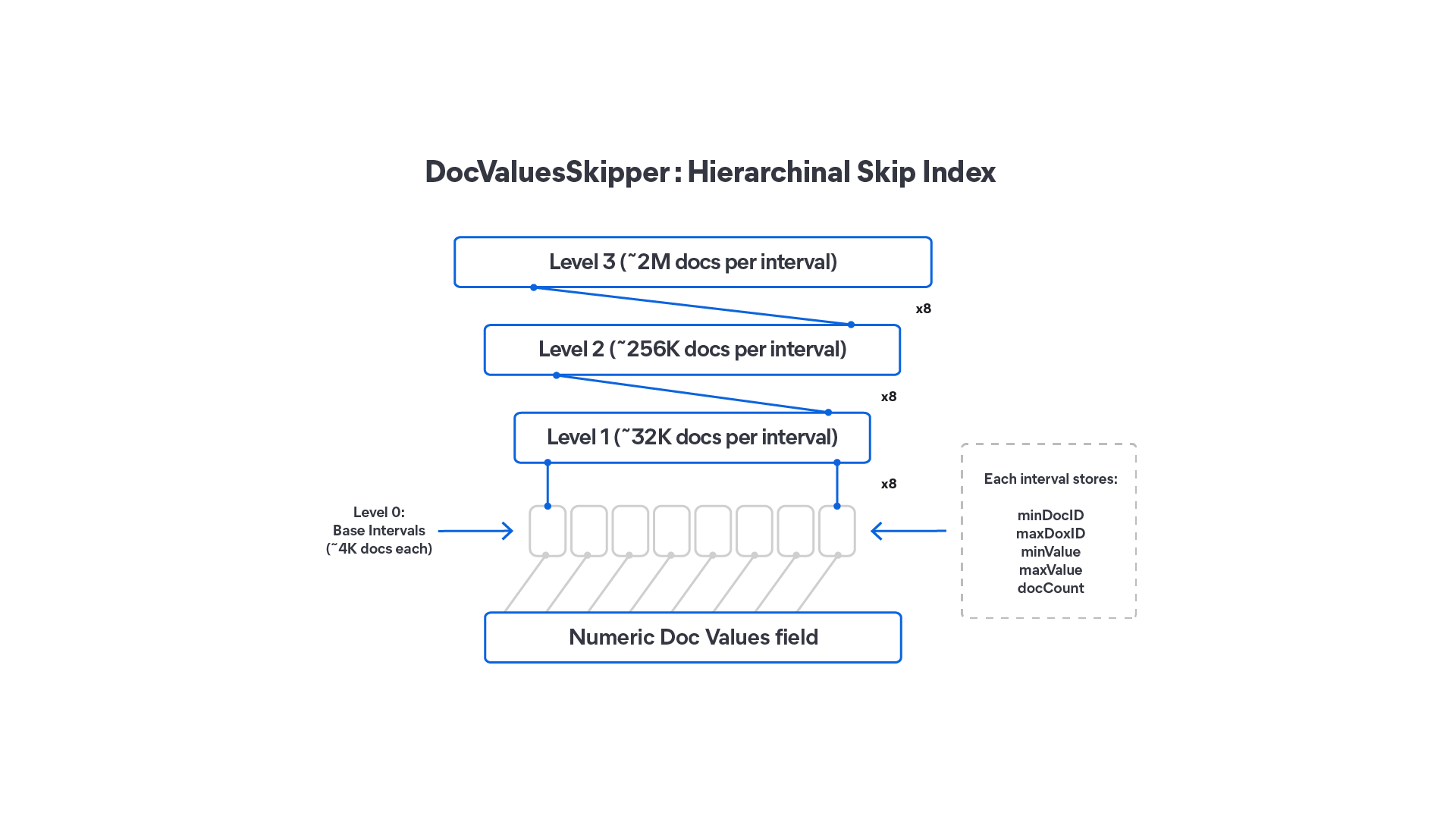
How DocValuesSkippers in Lucene 10 make range queries faster without doubling your storage
DocValuesSkippers add block-level skipping to Lucene DocValues fields, speeding up range queries on sorted or insert-ordered indexes with less than 0.1% storage overhead.

Elasticsearch reindex now relocates across nodes automatically: zero user intervention, no lost progress
Elasticsearch reindex now survives node shutdowns, uses Point in Time for more efficient source iteration, and ships with dedicated management APIs. Reindex-from-remote is GA in Serverless.

Elasticsearch downsampling methods: last-value vs. aggregate sampling
Elasticsearch downsampling now gives you a choice: last-value sampling for maximum storage savings or aggregate sampling for precise rate calculations and counter resets, both fully queryable in ES|QL.
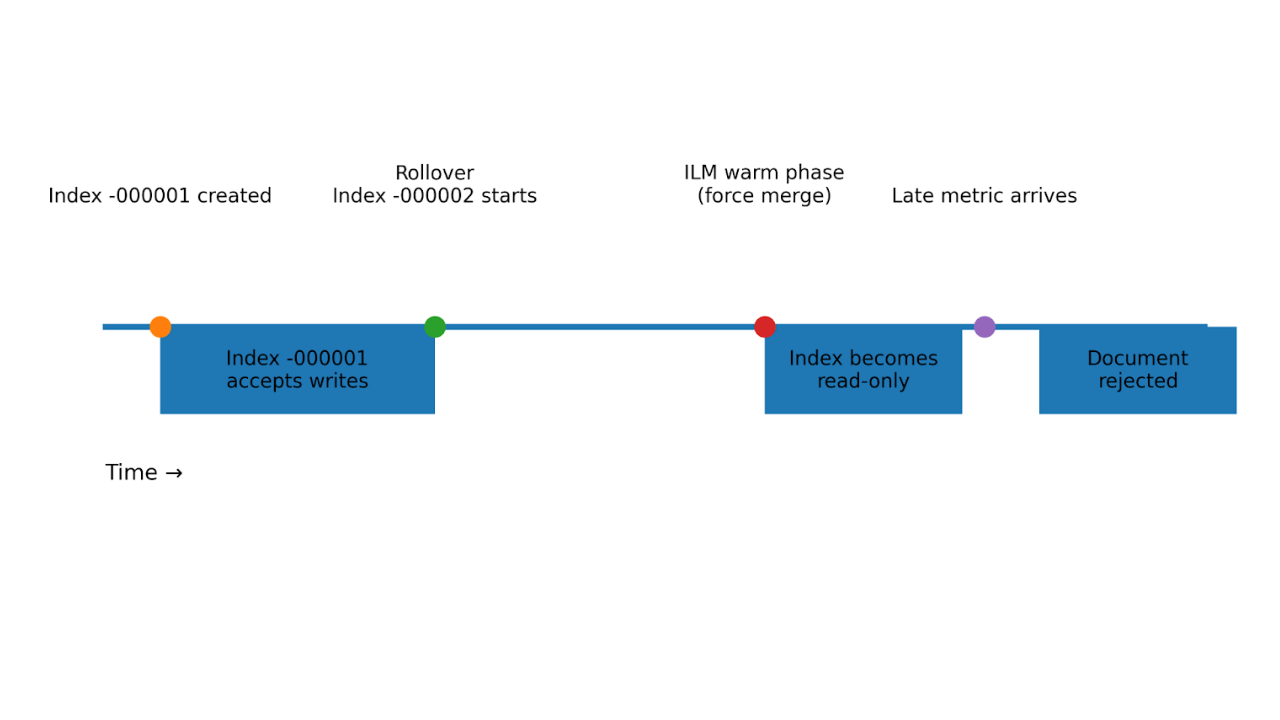
When TSDS meets ILM: Designing time series data streams that don't reject late data
How TSDS time bounds interact with ILM phases; and how to design policies that tolerate late-arriving metrics.