Blogs
Developer insights and practical how-to articles from our experts to inspire and empower your search experience.

Elasticsearch piped query language, ES|QL, now generally available
Elasticsearch Query Language (ES|QL) is now GA. Explore ES|QL's capabilities, learn about ES|QL in Kibana and discover future advancements.

Automatically updating your Elasticsearch index using Node.js and an Azure Function App
Learn how to update your Elasticsearch index automatically using Node.js and an Azure Function App. Follow these steps to ensure your index stays current.
ES|QL queries to TypeScript types with the Elasticsearch JavaScript client
Explore how to use the Elasticsearch JavaScript client and TypeScript support to craft ES|QL queries and handle their results as native JavaScript objects.

Scoring documents based on the closest ones with multiple kNN fields
Learn how to search through documents with multiple kNN fields, and score the resultant documents based on multiple kNN vector fields.

Geospatial search made simple with LLM and Elasticsearch: Journey through the city
Learn the basics of geospatial search and dive deep into geospatial search augmented by the power of Large Language Model (LLM) technology.

Semantic reranking in Elasticsearch with retrievers
Explore strategies for using semantic reranking to boost the relevance of top search results, including semantic reranking with retrievers.

Introducing Retrievers - Search All the Things!
Learn about Elasticsearch retrievers, including Standard, kNN, text_expansion, and RRF. Discover how to use retrievers with examples.
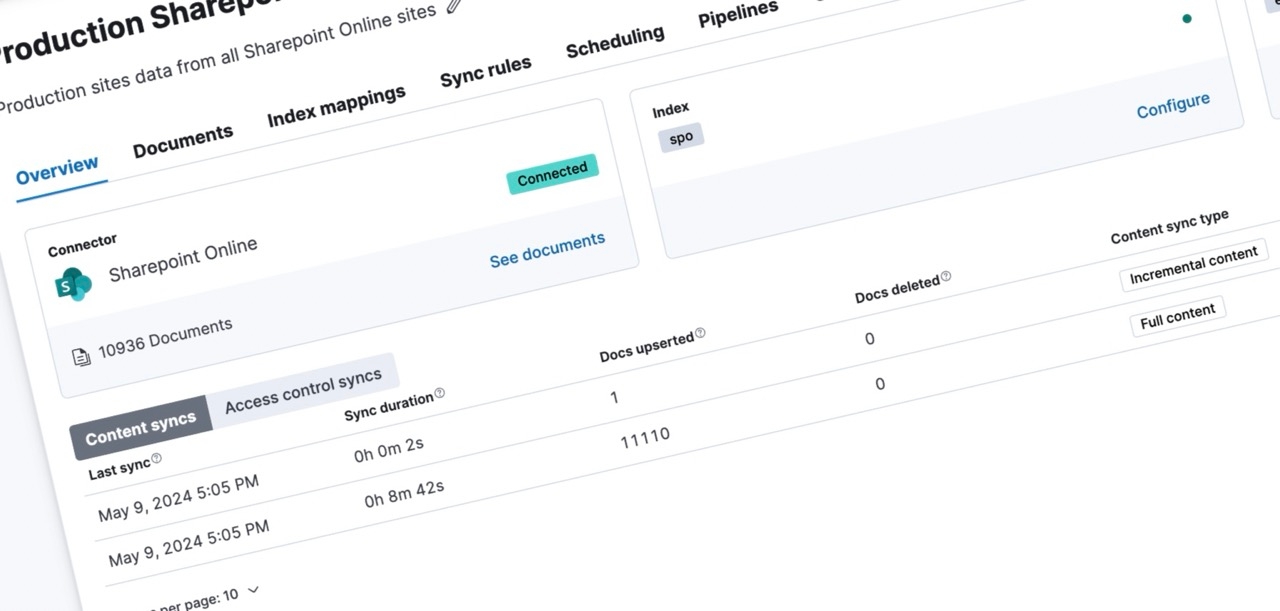
Elastic Connectors: Performance impact of incremental syncs
Learn about full sync and incremental sync for connectors. Discover how incremental sync can boost the performance of Elastic connectors.

How to use the Connector API to ingest data into Elasticsearch Serverless
Learn how to manage connectors and use the Connector API to ingest data from MongoDB or other sources into Elasticsearch Serverless.
Using NVIDIA NIM with Elasticsearch vector store
Explore how NVIDIA NIM enhances applications with NLP capabilities and learn how to integrate NVIDIA NIM with Elasticsearch.
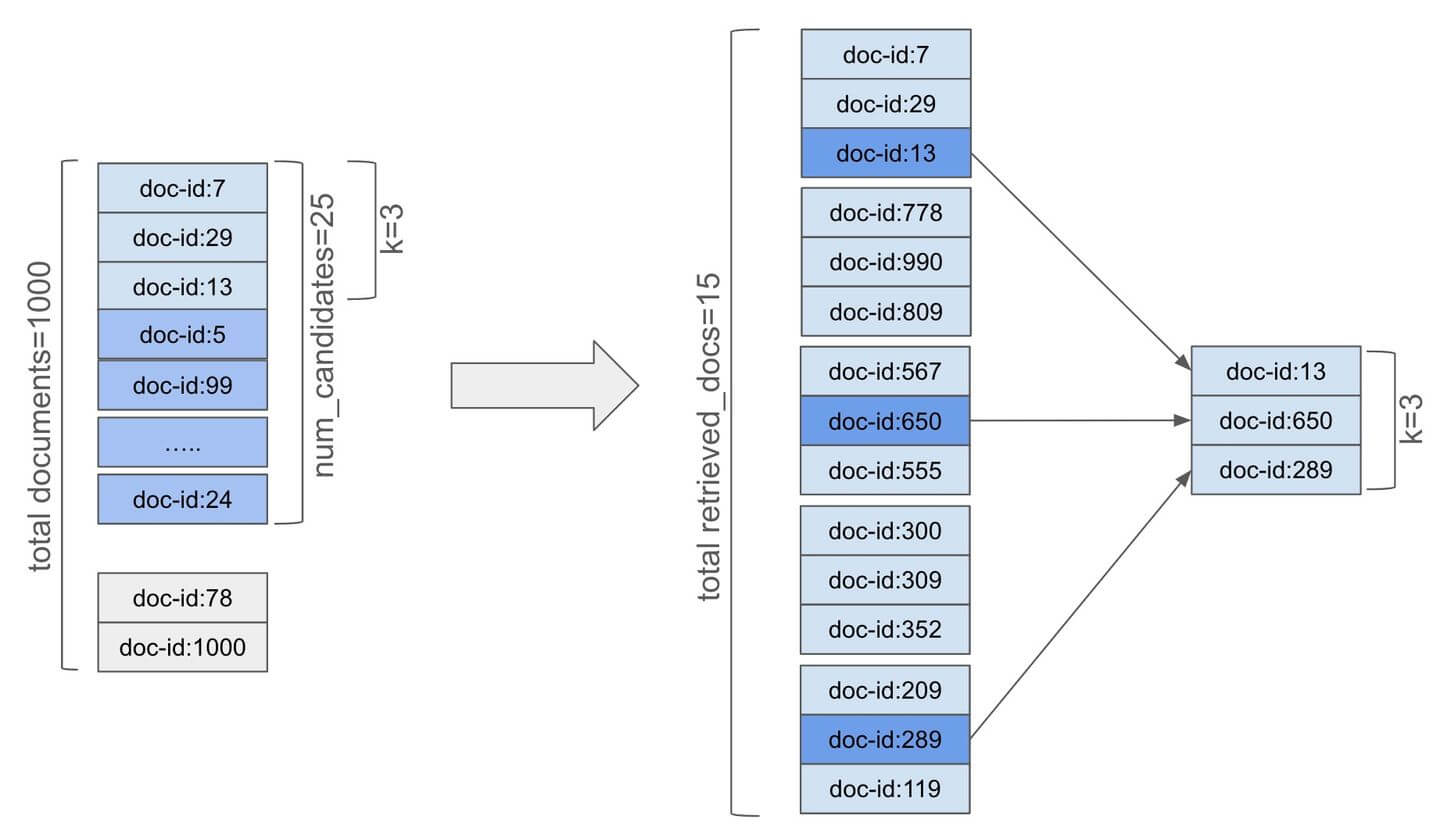
How to choose the best k and num_candidates for kNN search
Learn strategies for selecting the optimal values for `k` and `num_candidates` parameters in kNN search, illustrated with practical examples.
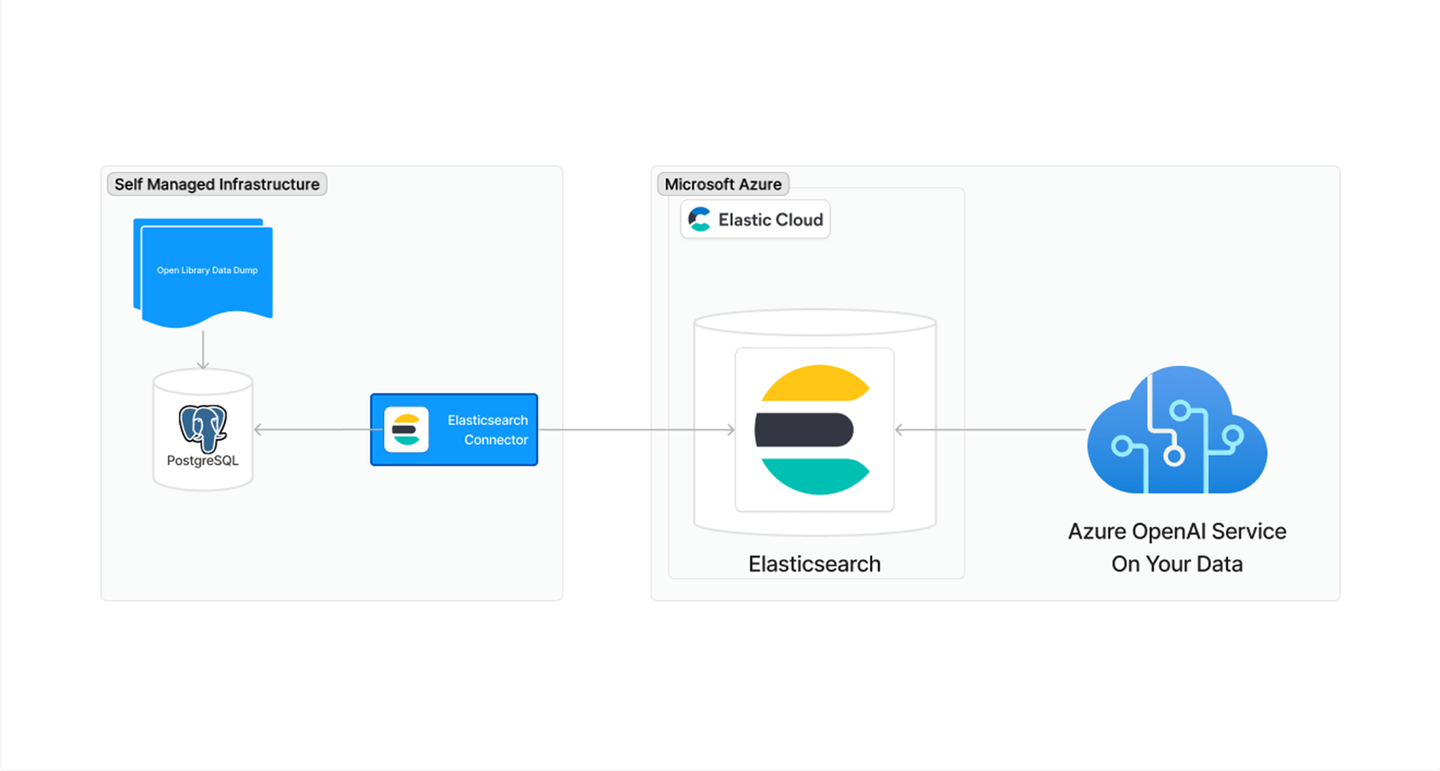
Using Elasticsearch as a vector database for Azure OpenAI On Your Data
Learn how to set up and ingest data into Elasticsearch for use as a vector database with Azure OpenAI On Your Data, allowing you to chat with your private data.