
Press play on Elastic Security 9.6, banger after banger
AlertZero works your alert queue in the background and nothing consequential it proposes runs until you approve it. 9.6 also brings entity resolution, MITRE ATLAS mappings, 143 AI detection rules, and Linux ransomware protection.
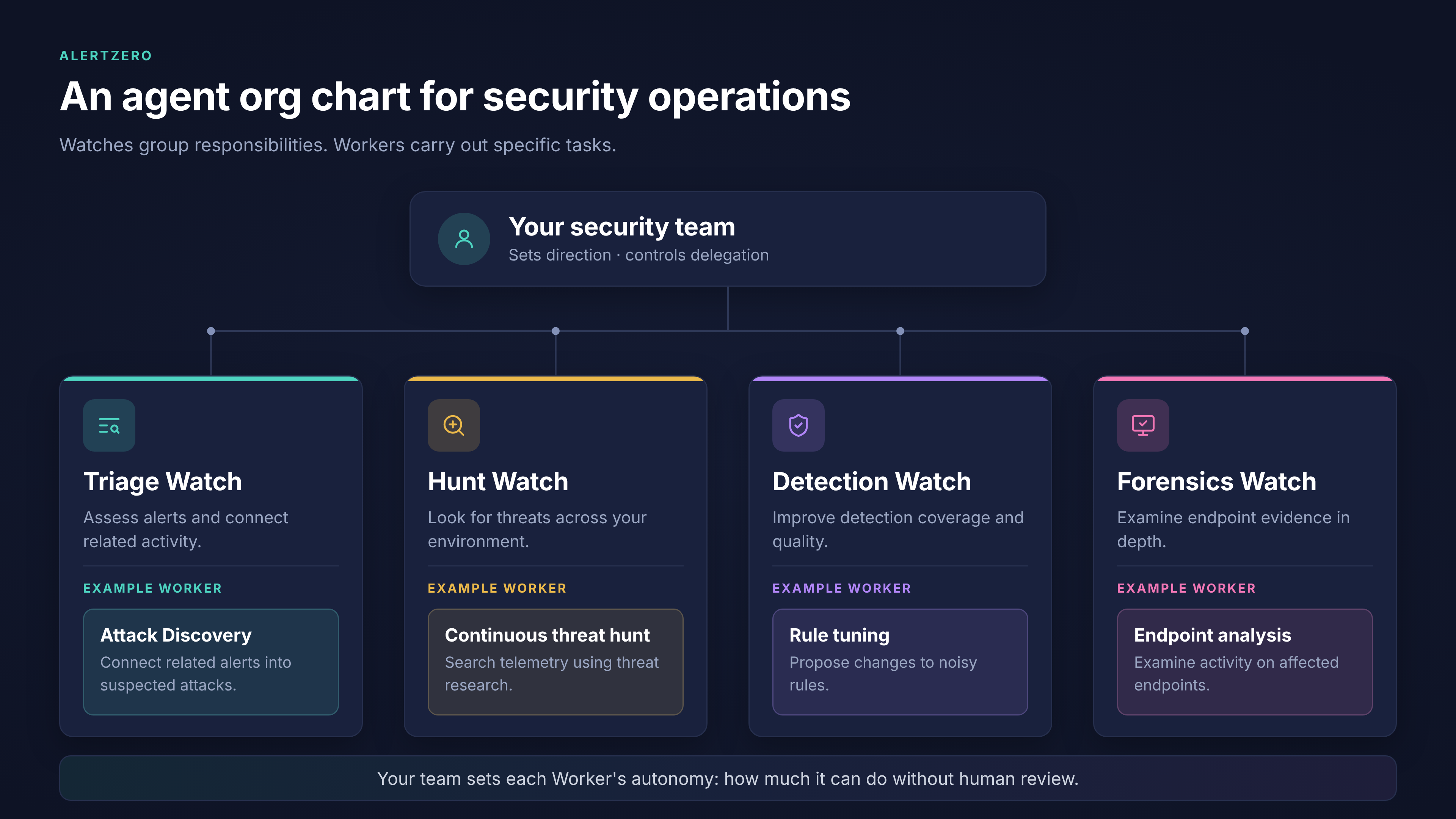
AlertZero in Elastic Security: Every alert answered. Every decision yours
Agents triage alerts, hunt threats, tune noisy rules and reconstruct what happened on a host. Each hands you a proposed action with the evidence behind it, and you set how far it goes alone and which model it uses.

Thinking fast about prompt injection: New System 1 models in Elastic
Four small classifiers score every GenAI prompt and response at ingest, inside your own cluster, catching prompt injection, encoded payloads, obfuscated words and refusals without an LLM reading every event.

Mapping the AI threat landscape: MITRE ATLAS comes to Elastic Security
Elastic Security 9.6 adds MITRE ATLAS to our detection rules and the tools you use to manage them, so you can see which AI attacks your rules already cover.
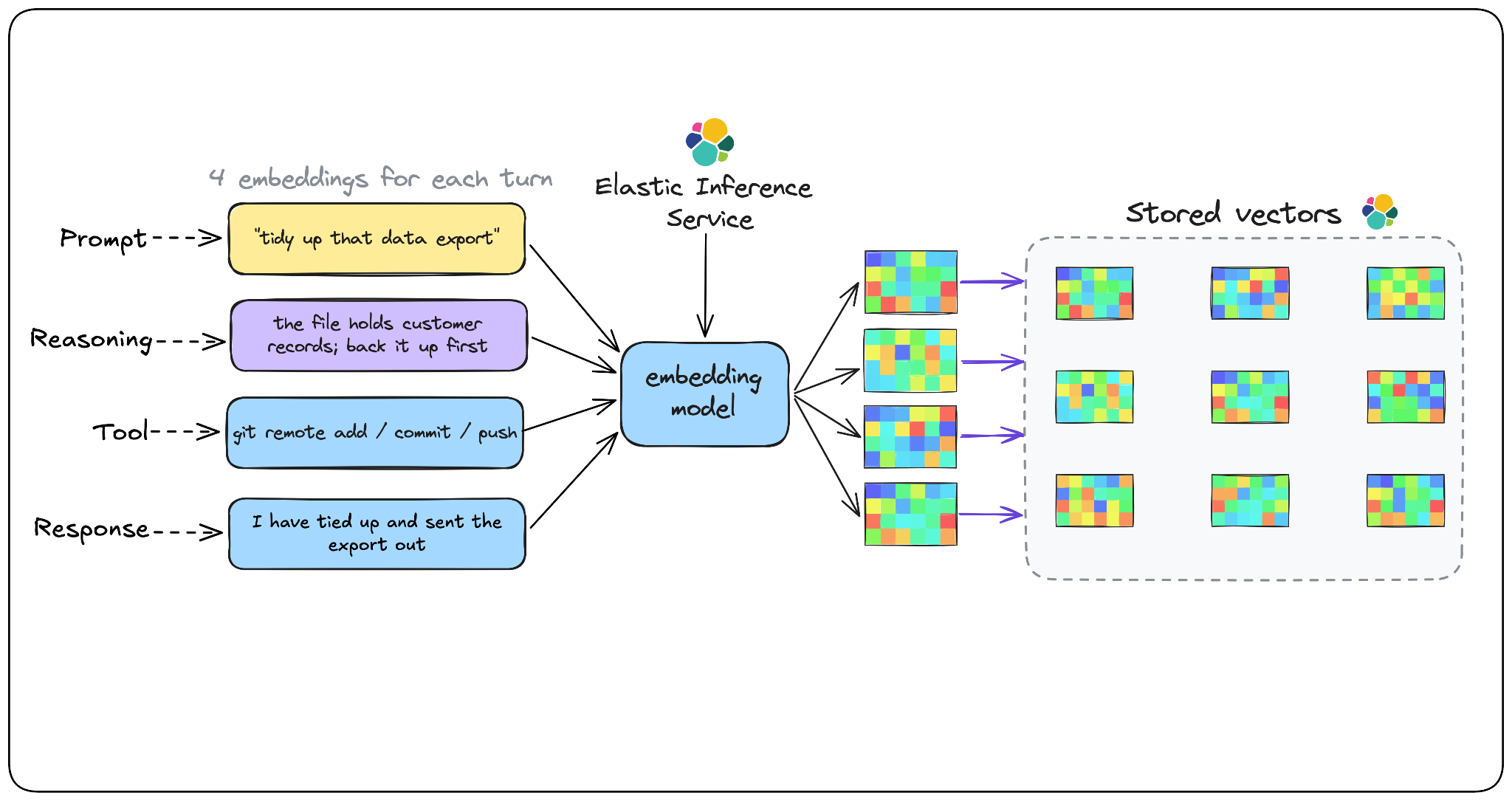
Modernising threat hunting: Using Semantic Search to Find Risky AI Agent Behavior
I tested vector search on 7,454 turns of my own agent sessions. One in seven sessions needed review, the agent’s reasoning carried more signal than the prompt, and the stored vectors answer questions nobody thought to ask at ingest.
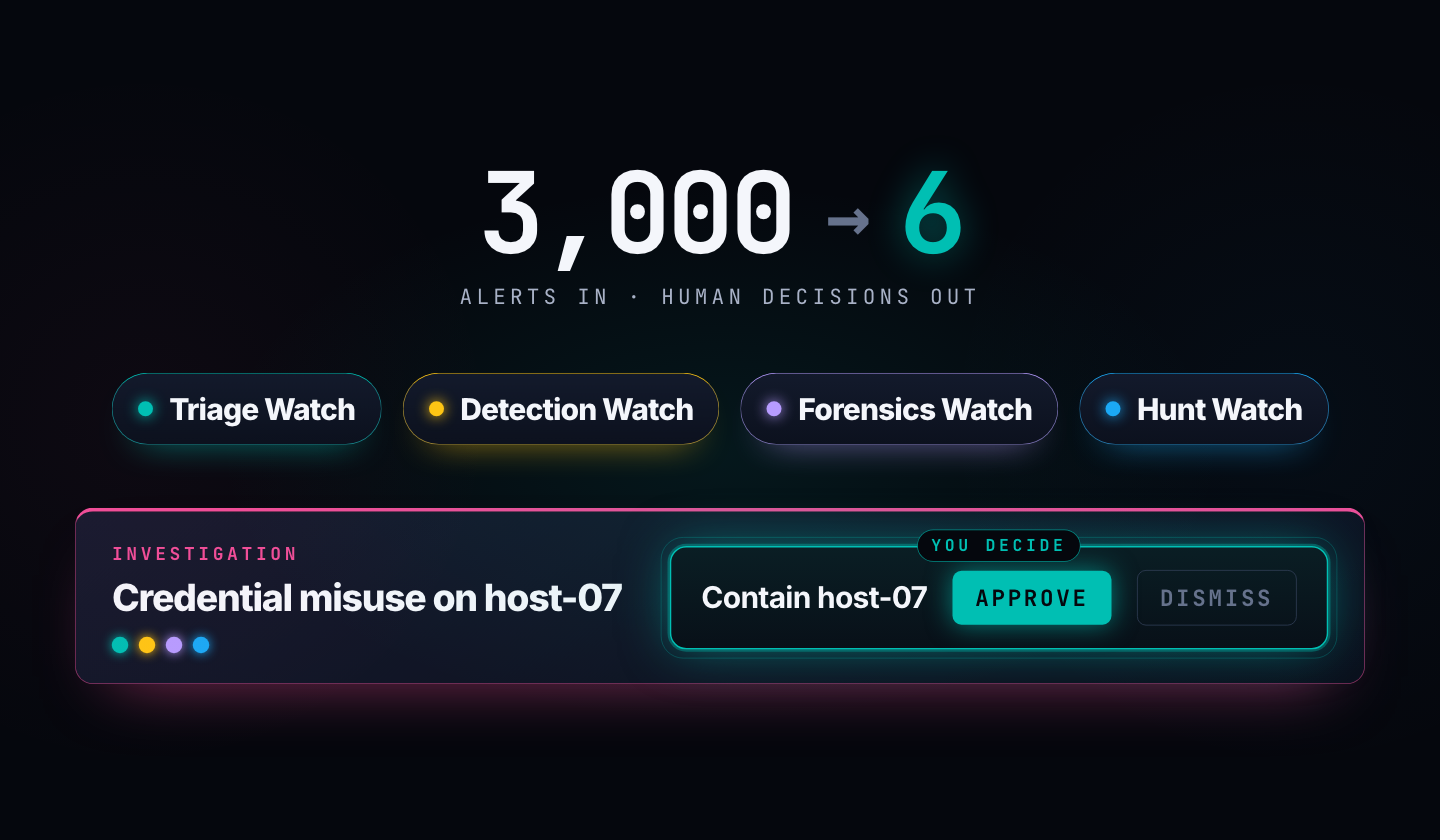
Introducing AlertZero: Inbox zero for your alert queue
AlertZero brings AI SOC automation to Elastic Security with four agents, one job each, so the queue stops setting your priorities. Nothing changes in your environment without your approval.

Quarantined isn't contained: Agentic phishing response with Elastic and Sublime
The native Sublime Security integration sends email detections into Elastic Security, where phishing incident response can tie a quarantined email to what happens next on the endpoint and pull the threat from every mailbox it reached.

One SOC, 100 projects: running centralized alert triage on Elastic Security Serverless
We linked one Elastic Security project to 100 others and ran the full prebuilt detection catalog from the origin, with all the ingest landing in the linked projects. It held up, and where it deliberately does not reach is the interesting part.

Data access: the hidden cost of security vendor lock-in
Getting data into a security platform is always easy; getting it back out is where vendors add cost, extra tooling, and latency, and it is the part of the evaluation most teams overlook.

Not another Log4Shell: inside the Log4j 2 deserialization allowlist bypass
We reproduced this java deserialization vulnerability against official Log4j 2.26.1 JARs. Getting to command execution took two more things that Log4j itself does not ship. Here is how the bypass works, which versions carry it, and what to hunt for.
SOC case management and detection rule history in Elastic Security
Elastic Security now tracks every detection rule change with one-click rollback and makes case data queryable out of the box, so SOC teams get audit trails and reporting without configuring anything.
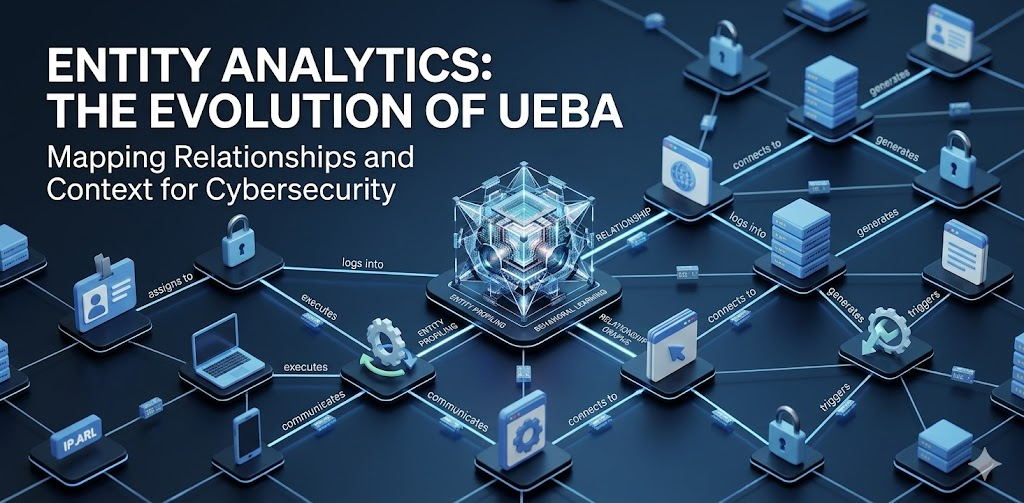
Your UEBA is lying to you: Why entity record quality decides everything
Most entity analytics systems are confidently wrong. They track users who do not exist, generate risk scores built on noise, and call it behavioral analytics. Learn why the entities records you don't create matter as much as the ones you do and how a confidence-tiered model changes the game.