Elastic Context Engine
Context that's complete and fresh
Elastic Context Engine* connects any enterprise source to build accurate agents: sync context every turn or on a schedule, precompute for fast cross-source retrieval, and constantly improve accuracy.
*Experimental
Read our blog to learn how to continuously curate and manage context.
Read the blogVisit our documentation to learn more about Context Engine and how you can get started.
View docsWhat does a context engine do for agents?
Precompute context to cut input tokens, reduce latency, and improve answer quality. Using Context Engine for support agents reduced cost by 55% and latency by 40%.
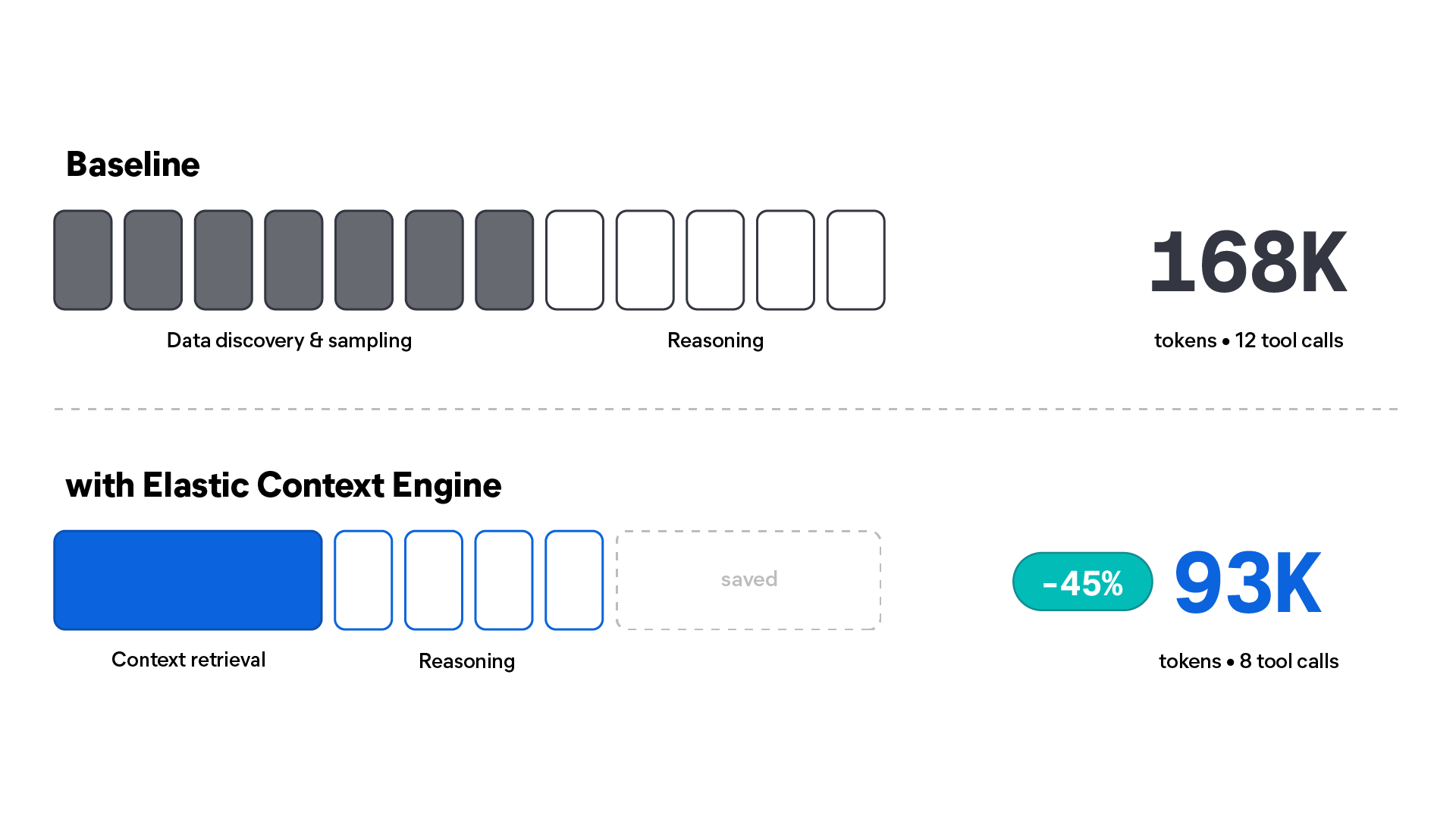
BENEFITS
Make any agent efficient
Continuously keep your agents' context complete, fresh, efficient, and measurable.




How it works
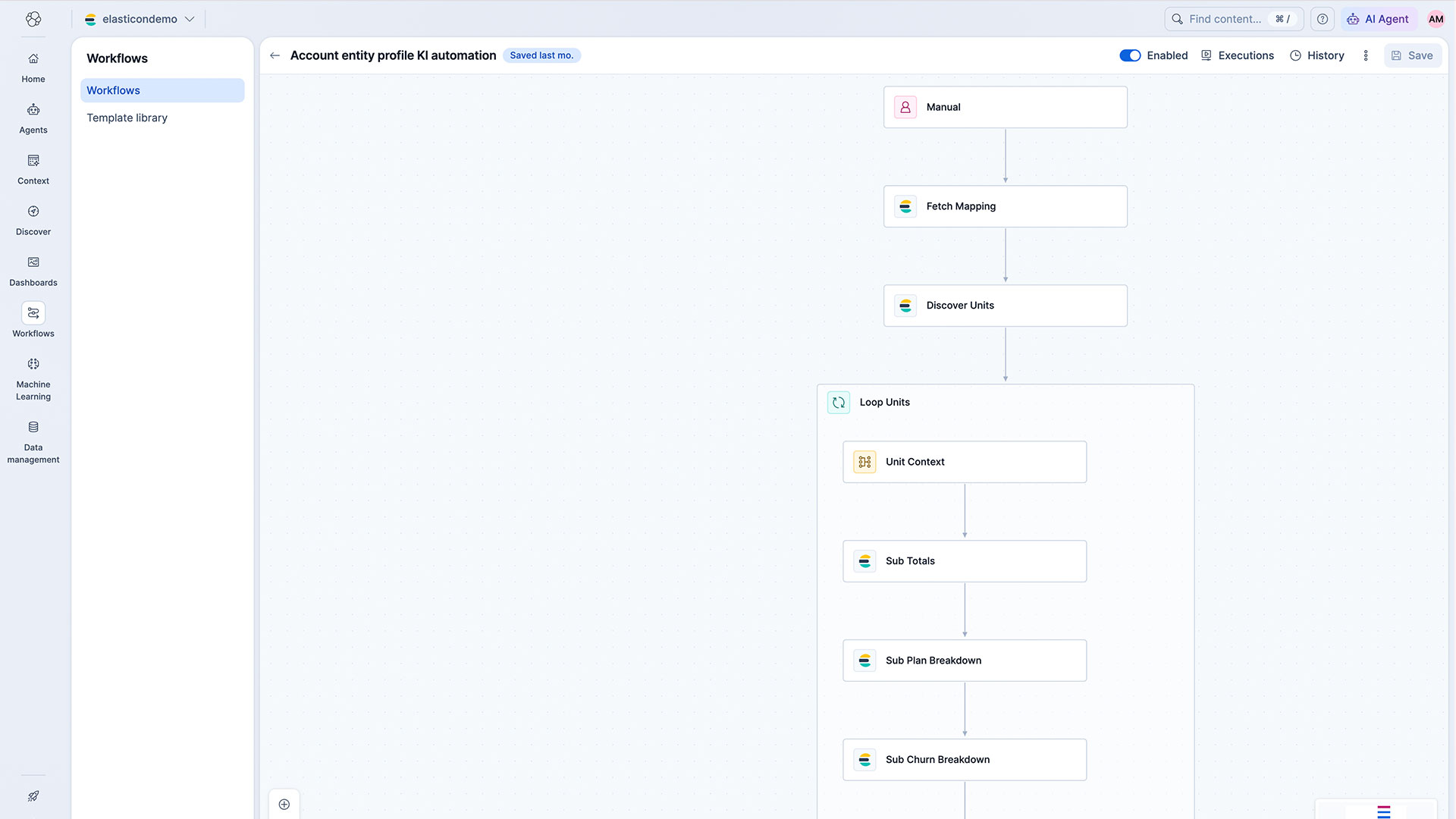
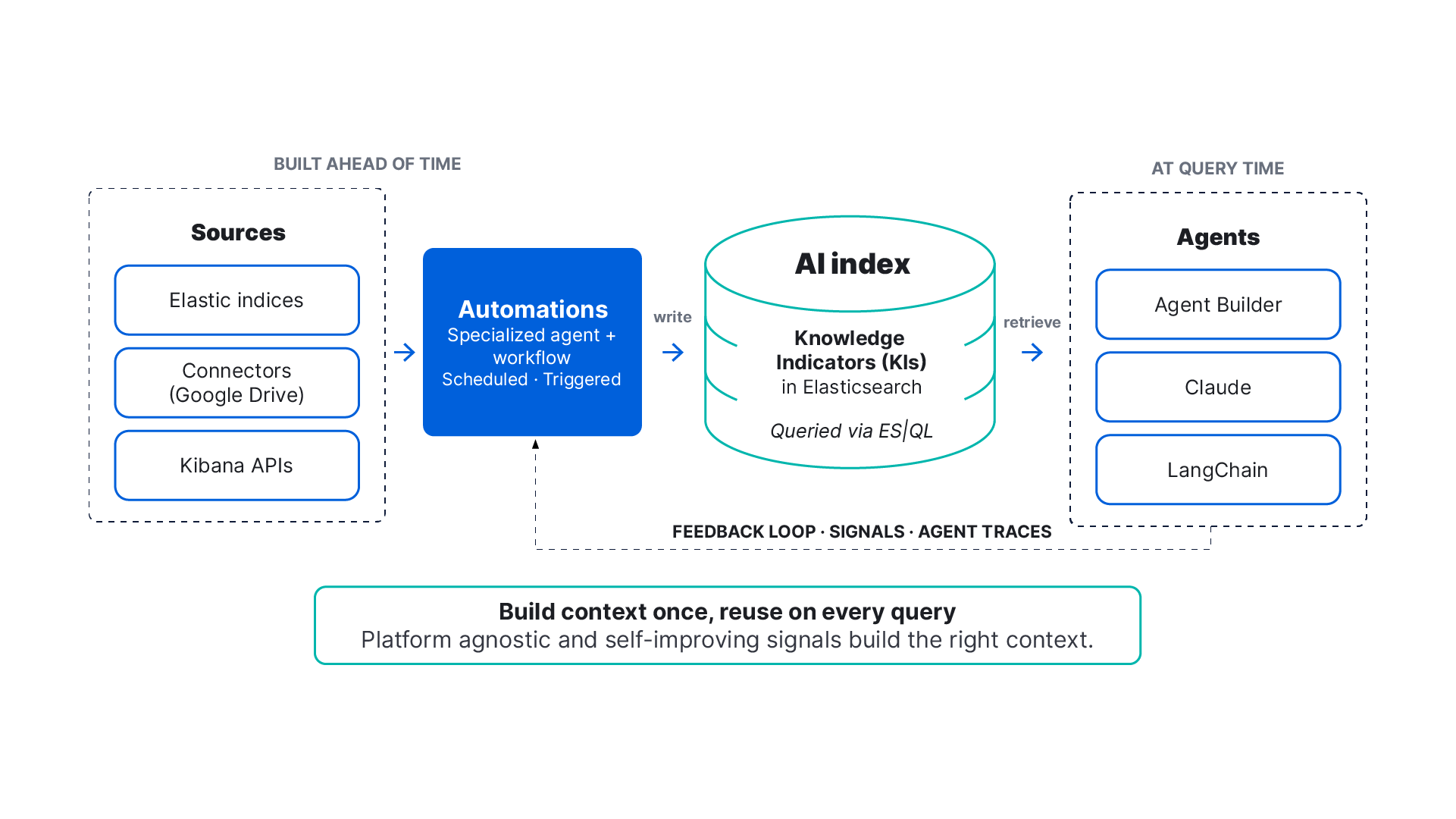
Connect enterprise data, use Elastic Workflows to distill it into structured Knowledge Indicators, and serve that context to any agent.
Connect
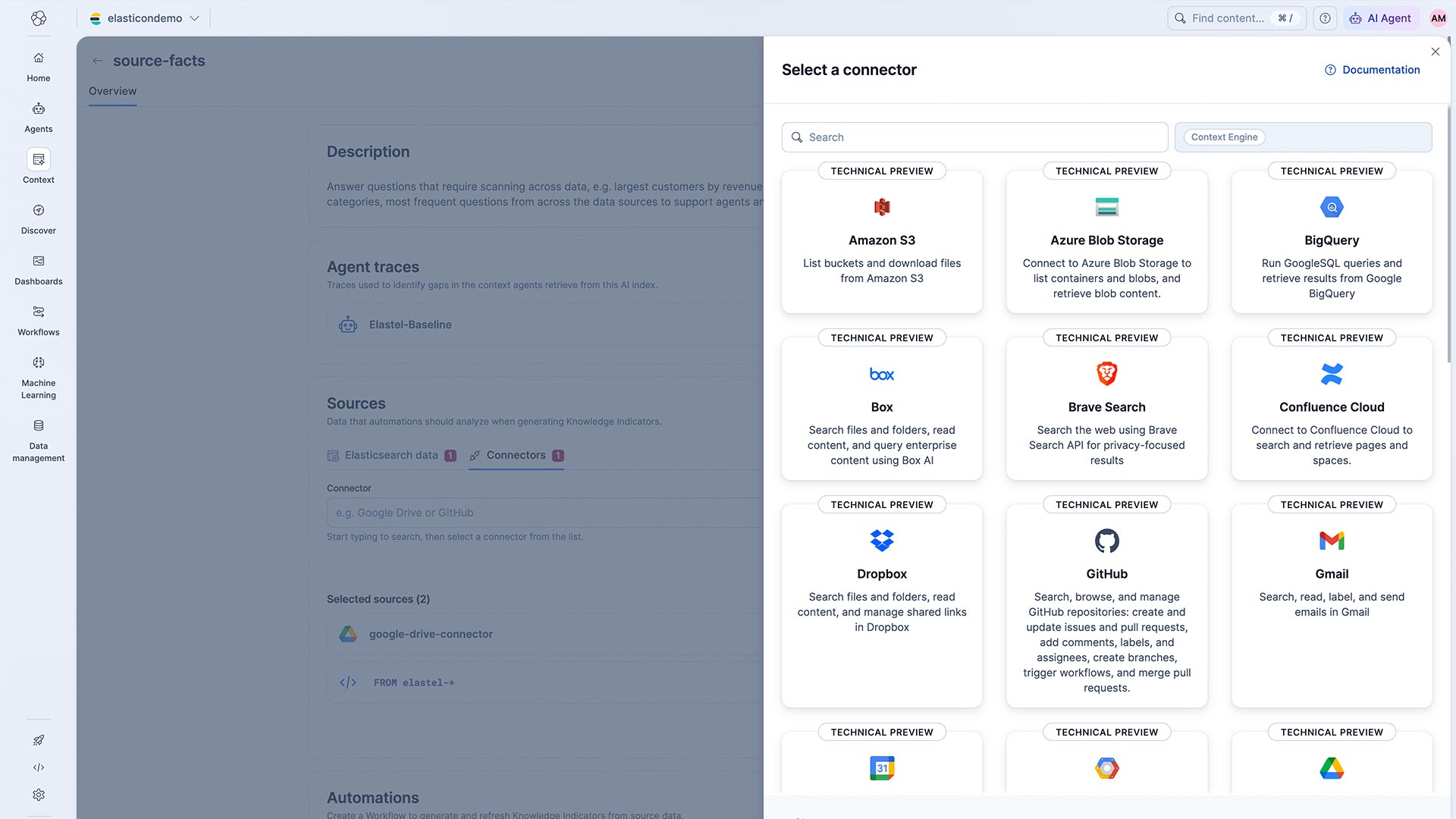
Connect your agents to context from Elasticsearch indices, external data sources via Kibana connectors, or ES|QL queries.
Assemble
Build automations to create Knowledge Indicators that extract data semantics, descriptions, relationships, and facts into an AI index.
Retrieve
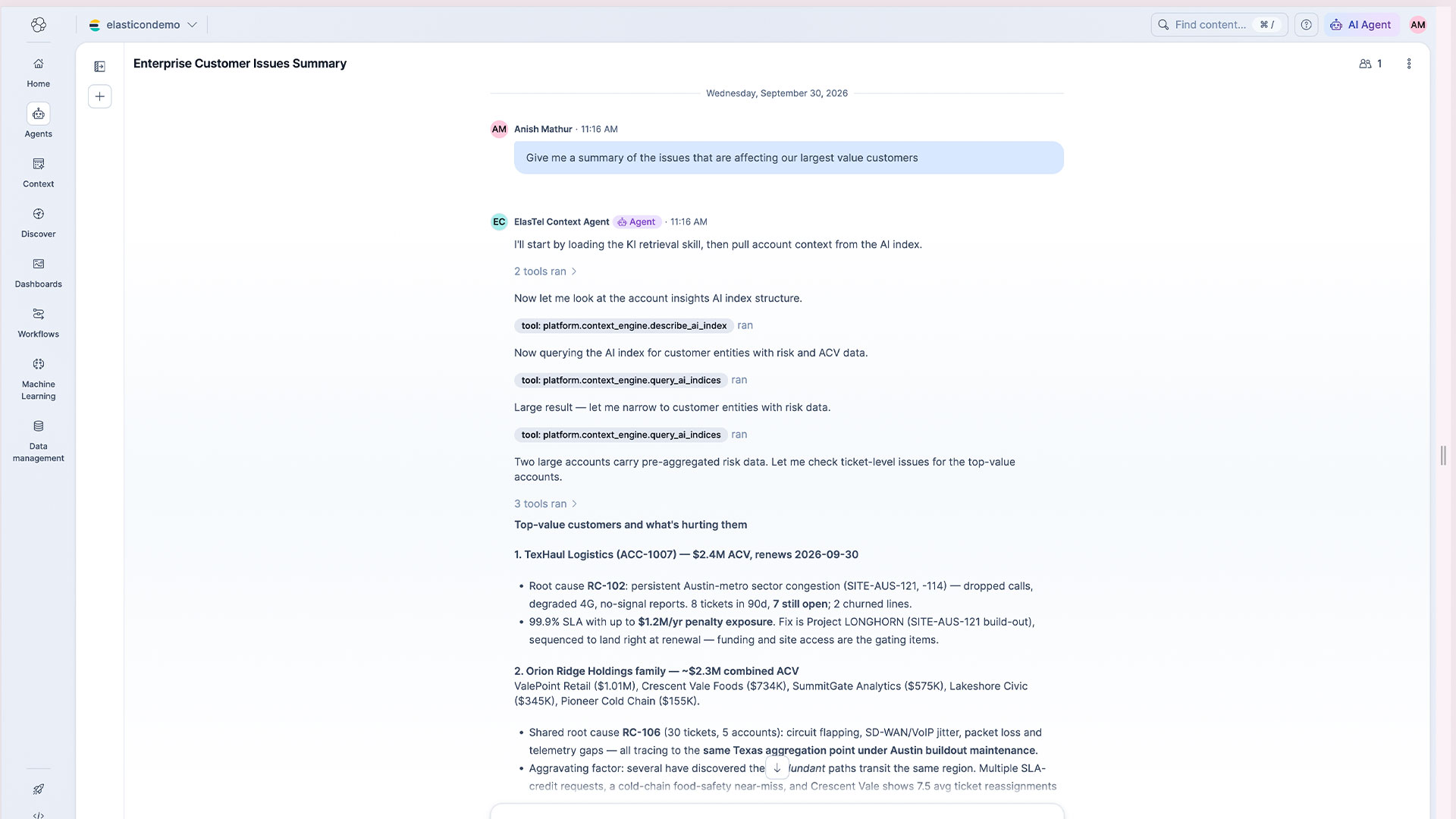
Leverage composable ES|QL to retrieve the most relevant context at inference time.
Observe and improve
Use evals and traces to track agent responses and improve context.
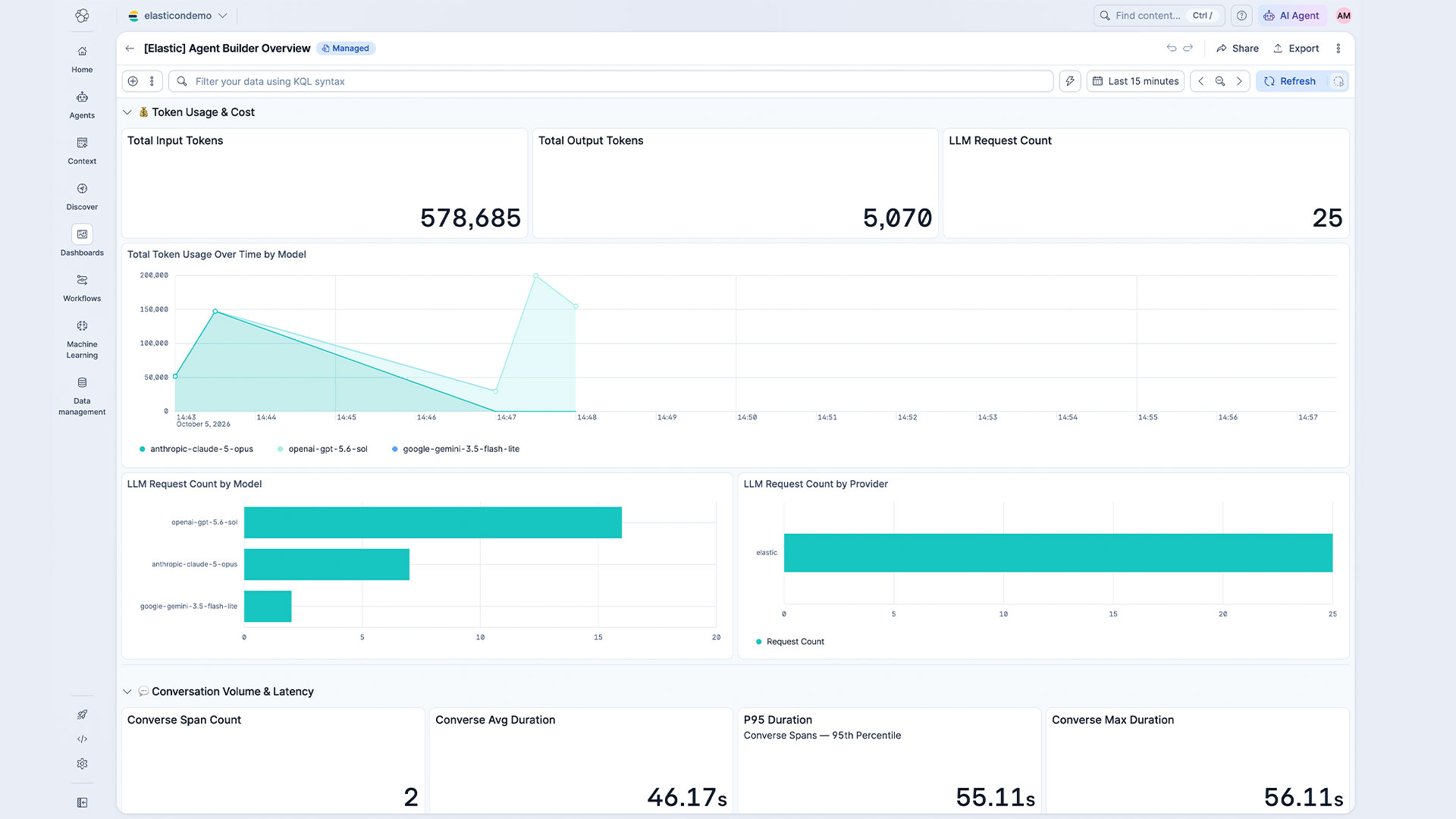
Integrate
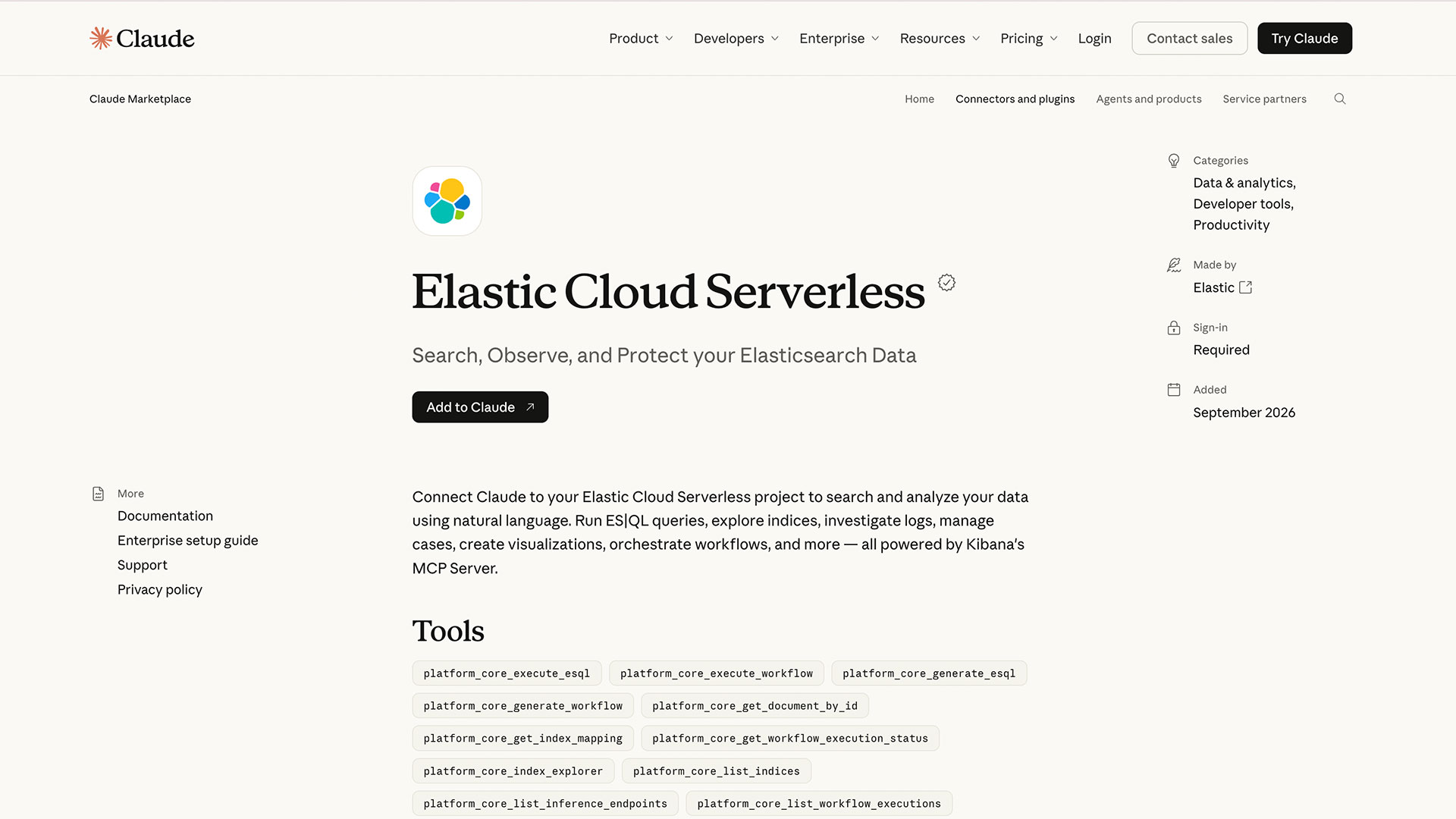
Deliver context to first- and third-party agents through plugins to integrate different harness from Claude Code, Codex, LangChain Deep Agents, Claude-managed agents, AWS AgentCore, Gemini Agent Platform, and others.
Architecture
Automations pre-extract Knowledge Indicators into an AI index, so any agent can retrieve relevant context with a simple ES|QL query.
Context types
Create several types of Knowledge Indicators from raw data.
Semantic metadata from sources
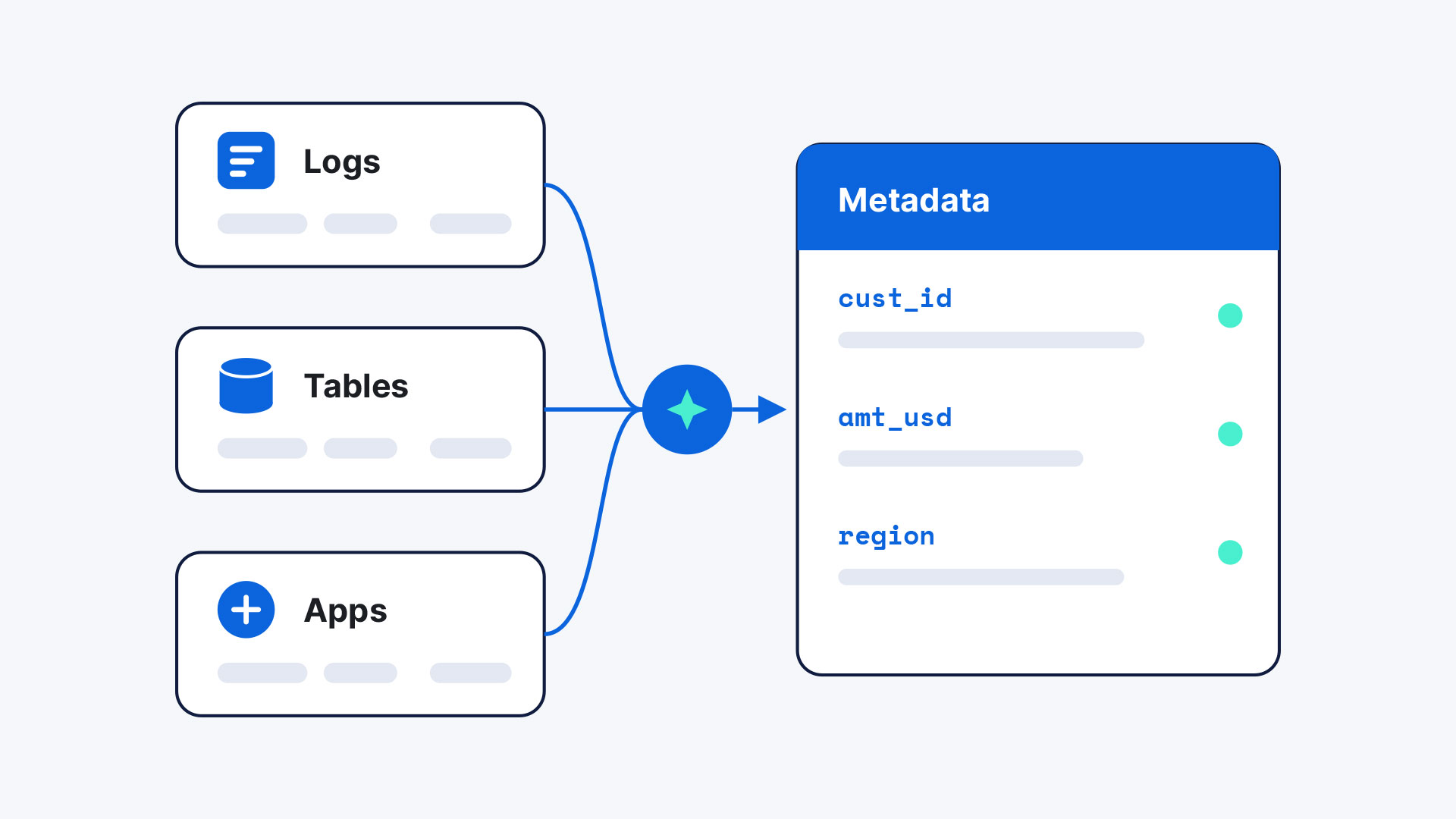
Derive profiles of data sources including descriptions of purpose, fields, data distribution and characteristics to instruct how to query and when to use.
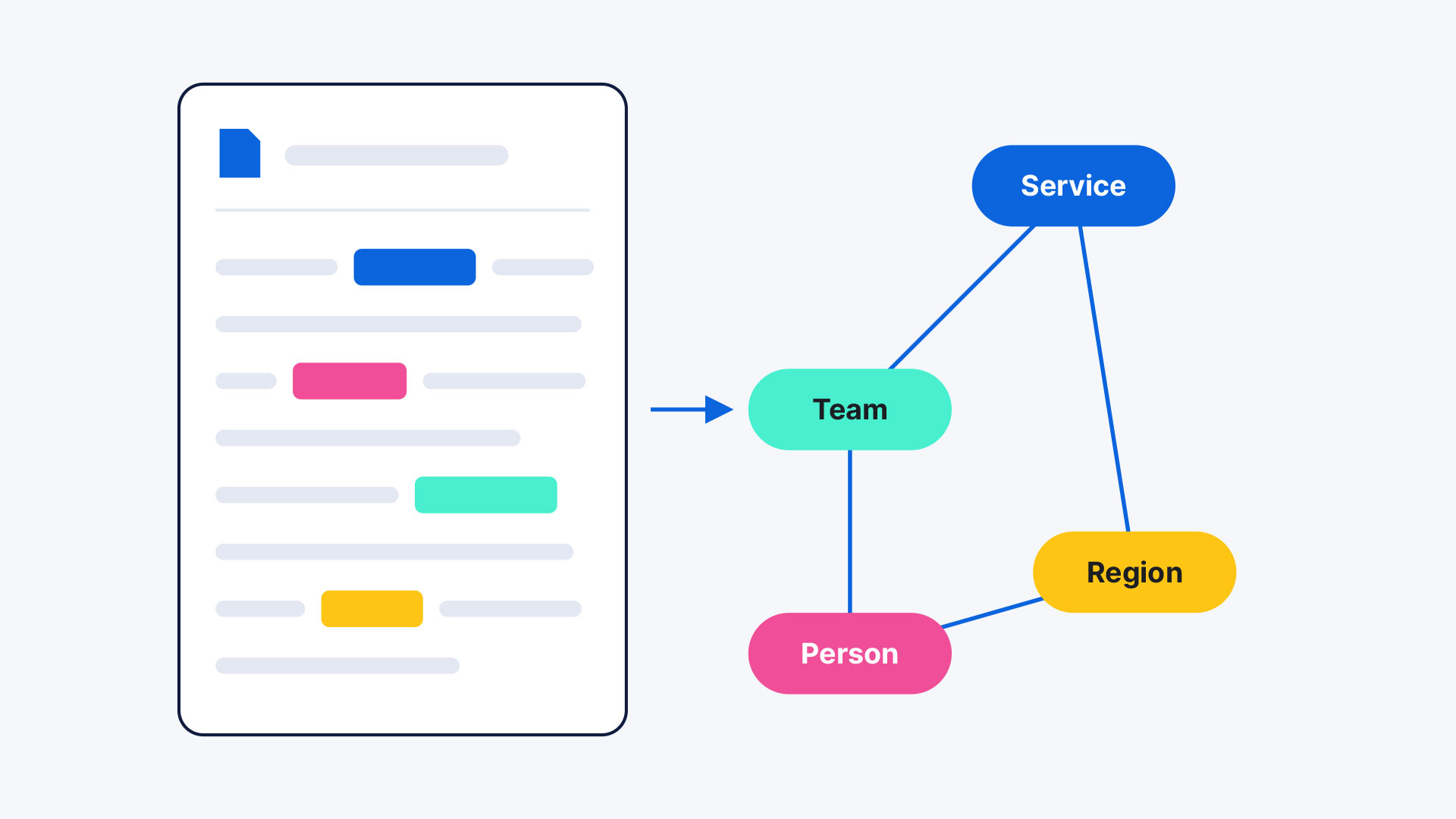
Entities and relationships from documents
Extract entities like accounts, contacts, projects, business objectives, systems, and services, and store them along with semantic relationships to guide agent reasoning.
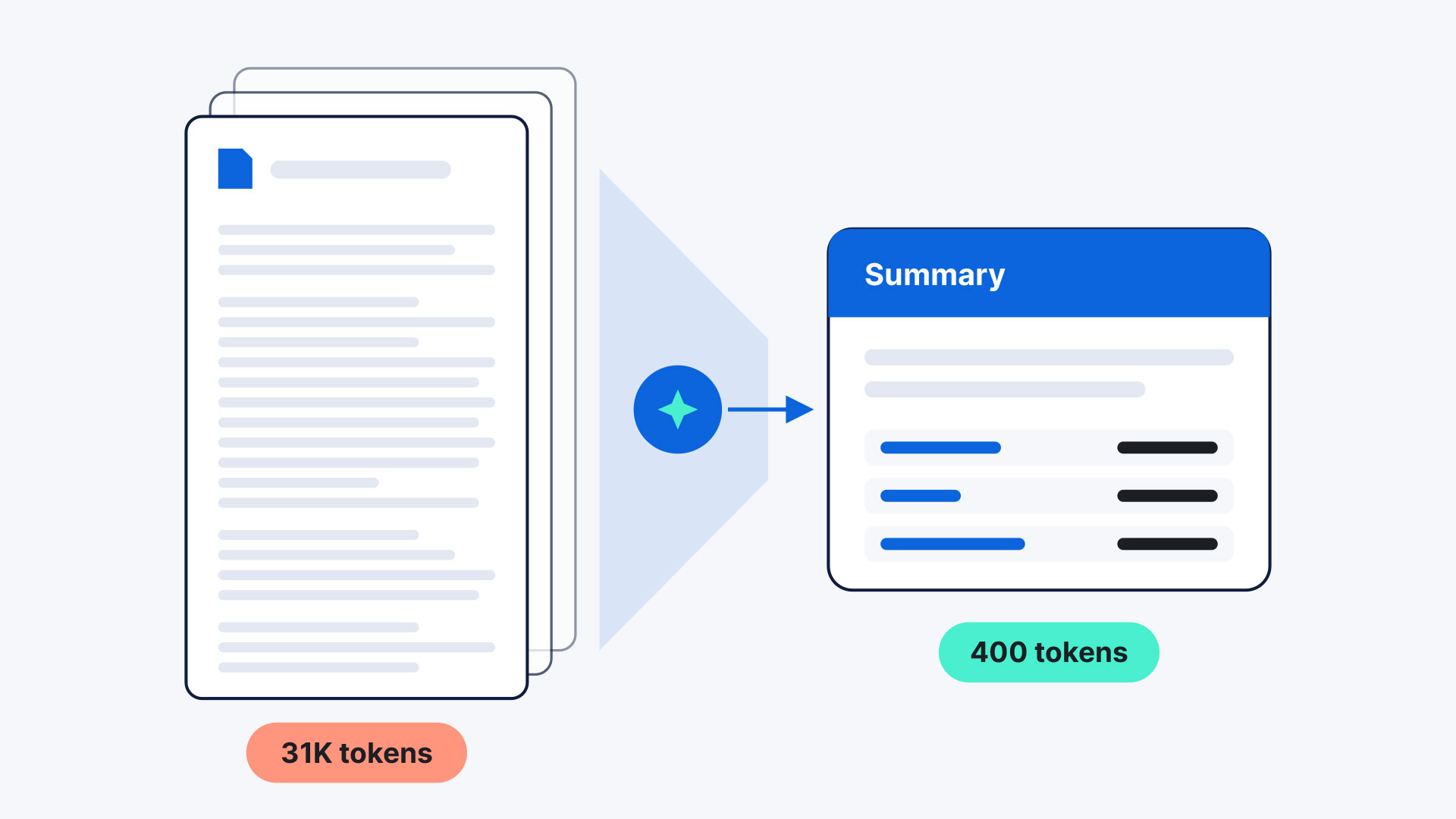
Document facts and summaries
Summarize large, complex documents and extract key facts to reduce expensive document reads.
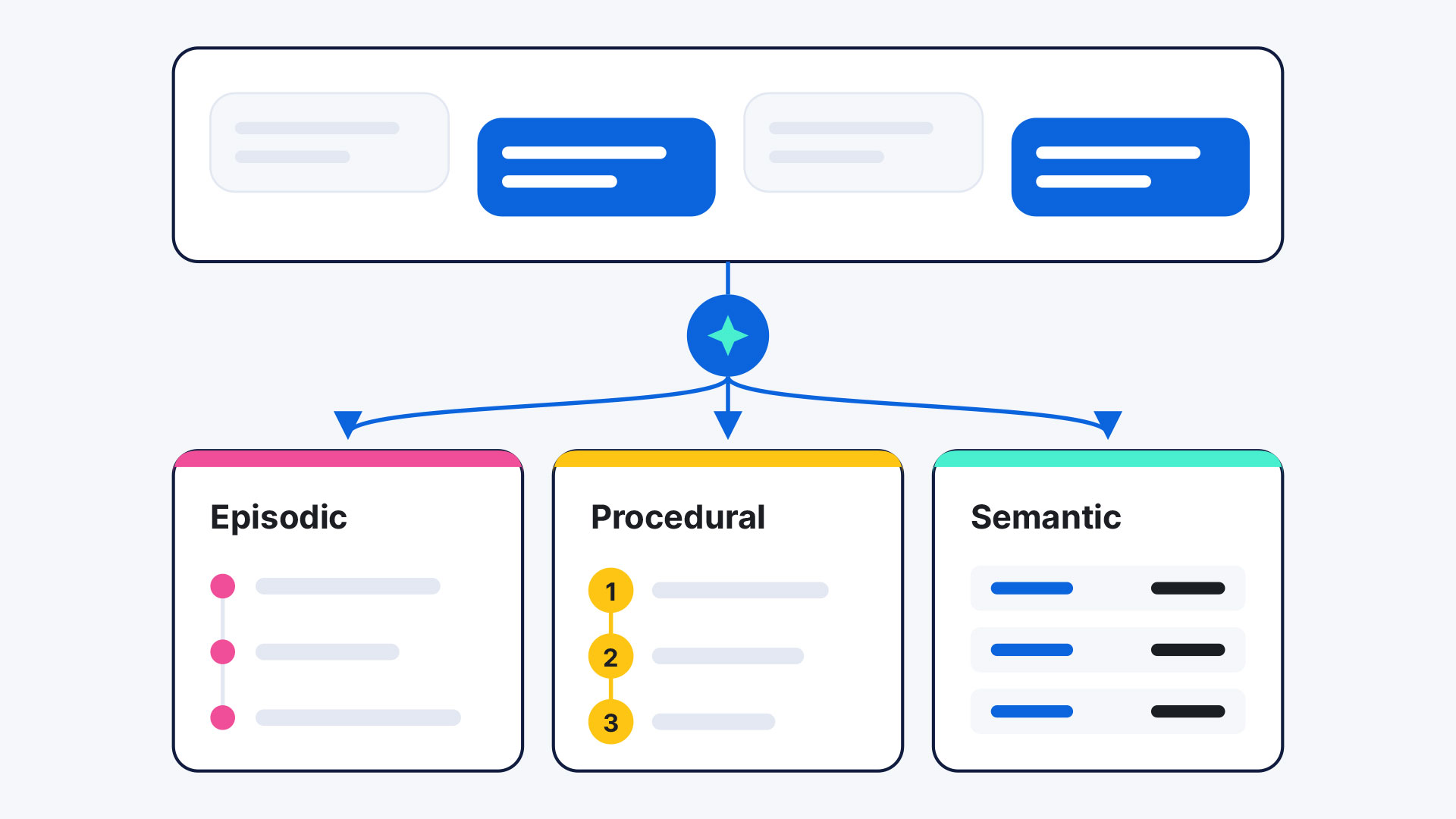
Agent memory from interactions
Capture memories to fast-track responses and give every agent compounding knowledge.
USE CASES
Agent use cases
Map, precompute, and identify relationships.



INTEGRATIONS
Best in class? Built right in
Integrate with the most popular agent frameworks and applications.



RESOURCES TO START
Take the next steps
Learn more with walkthroughs, demos, and documentation.

Follow a step-by-step walkthrough to build and store context in an AI index and power smarter agents using fewer tokens.


Frequently asked questions
What is a context engine?
What is a context engine?
A context engine is a part of agent architecture that gathers and builds context from business-specific data and interactions to make an agent more efficient and effective.
What's the difference between a context engine and a vector database or memory store?
What's the difference between a context engine and a vector database or memory store?
A context engine builds on vector databases and memory stores. A vector database acts as a storage and retrieval component for context, while a memory store captures context directly from agent interactions. A context engine decides what to put in those stores; how to structure it; how to maintain, govern, and secure it; and the tools to expose it for retrieval.
I already have a data catalog. Why do I need a context engine?
I already have a data catalog. Why do I need a context engine?
Data catalogs describe data but they rely on static information and need to be kept up to date manually. As data changes, agent use cases expand, user behavior and prompts change, and data catalogs quickly get stale. They also typically lack insight from within the data, and they can describe data shape and schema, but not entities, anomalies, or trends that require search and retrieval.
What is a Knowledge Indicator?
What is a Knowledge Indicator?
A Knowledge Indicator is a unit of context. It can be any piece of context that may be useful to agents, including index and data source descriptions, extracted entities, document-based facts, and more.
What's stored in an AI index?
What's stored in an AI index?
An AI index stores knowledge indicators derived from data sources and memories derived from agent interactions and traces.
How is security and permissions enforced?
How is security and permissions enforced?
AI indices can be managed and permissioned just like other Elasticsearch indices with full role-based access control. Workflows and agents can be run as a user to limit and audit access. Context Engine also captures the provenance of every Knowledge Indicator generated so access can be managed.
How is Context Engine priced?
How is Context Engine priced?
Context Engine is currently not priced separately while under Private Preview. Pricing will be announced at a later date.