Top 4 AI-powered cybersecurity threats
Artificial intelligence is enabling adversaries with more powerful capabilities than ever before. Here are the top four AI-powered cybersecurity threats organizations face today...


 Share on Twitter
Share on Twitter

 Share on LinkedIn
Share on LinkedIn

 Share on Facebook
Share on Facebook

 Share by Email
Share by Email

 Print this page
Print
Artificial intelligence is enabling adversaries with more powerful capabilities than ever before, creating a rapid transformation in the cybersecurity landscape. And while the adoption of AI for security teams takes off — with the global market for AI-powered cybersecurity tools projected to grow by 27.9% into 2030 — attackers also have access to unprecedented automation. On-demand, limitless generation of text, video, and audio that’s increasingly indistinguishable from real humans is enabling adversaries to carry out hyper-realistic phishing campaigns, automated vulnerability exploitation, and deepfake-enabled fraud — all at amplified speed and sophistication.
In this threat landscape, effective threat mitigation requires constant attention from security teams. Understanding these threats and their potential impacts is the first line of defense.
Here are the top four AI-powered cybersecurity threats organizations face today:
- AI-enhanced phishing and social engineering
- Automated vulnerability discovery and exploitation
- Adversarial attacks on AI systems
- Deepfake and synthetic identity attacks
To better understand how prominent these threats are and how security teams can stay ahead in this evolving battle, let’s dive in.
1. AI-enhanced phishing and social engineering
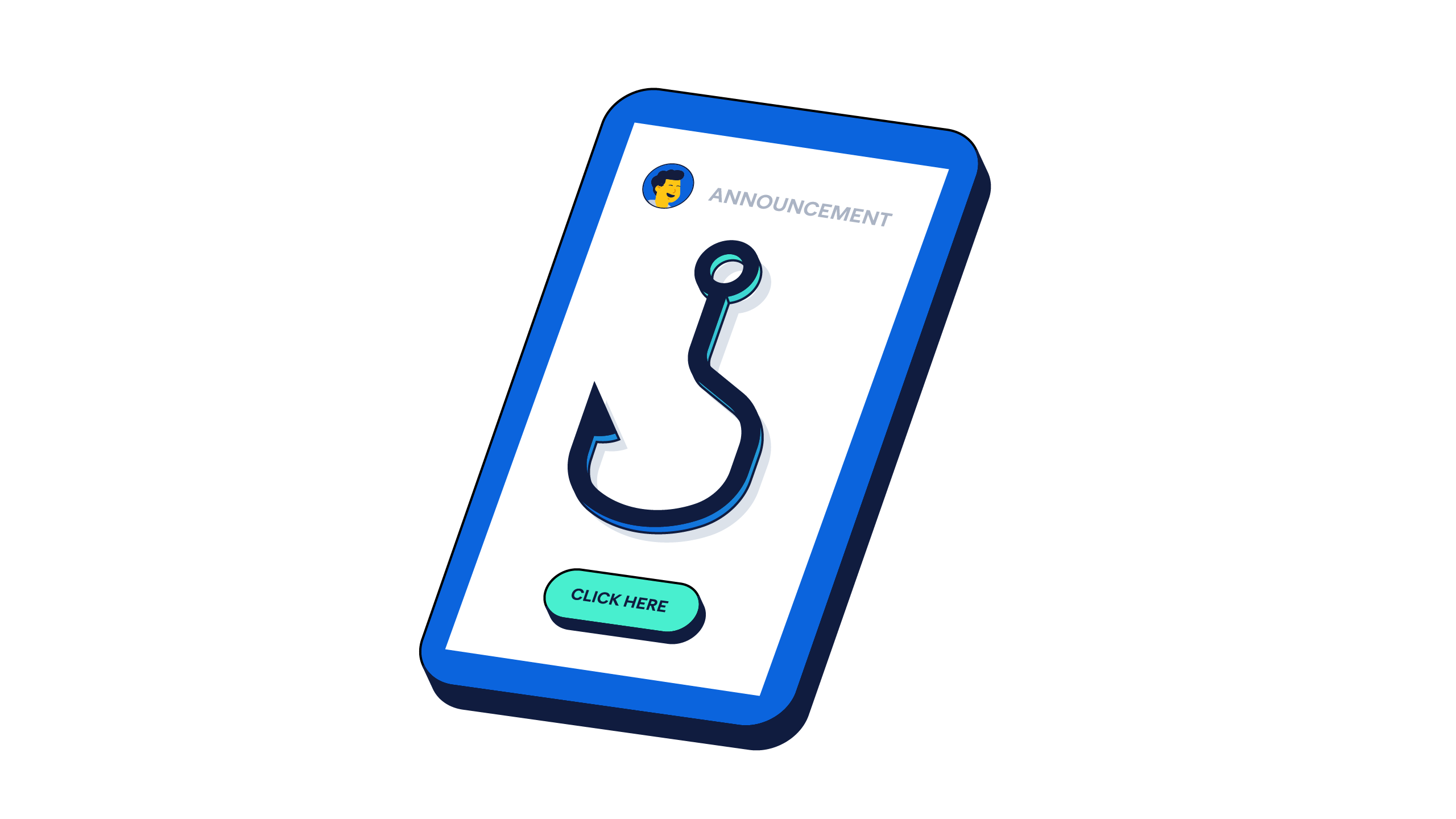
Phishing has a new edge in AI. While phishing has long been one of the most successful attack methods, generative AI-enhanced phishing and social engineering lets attackers craft context-rich messages that mimic the tone, style, vocabulary, and voice of legitimate senders.
AI-enhanced phishing and social engineering eliminate the errors and inconsistencies that once tipped off users. With hyper-realistic content, even well-trained employees can be deceived.
Organizations are vulnerable through:
- Email: By scraping details from the web, large language models (LLMs) can instantly create personalized phishing emails that reference internal projects, colleagues, or organizational details.
- Phone calls: LLMs enable voice deepfakes, cloning an executive’s or colleague’s voice from just a few seconds of source audio. Attackers use this to make hyper-realistic phishing phone calls.
- Social media accounts: LLMs also enable fake social media accounts that engage in convincing conversations and lure targets into scams or misinformation campaigns.
Why it matters
Organizations need layered defenses, including security tools with AI-based anomaly detection and policies for verifying high-risk requests through secondary channels.
2. Automated vulnerability discovery and exploitation
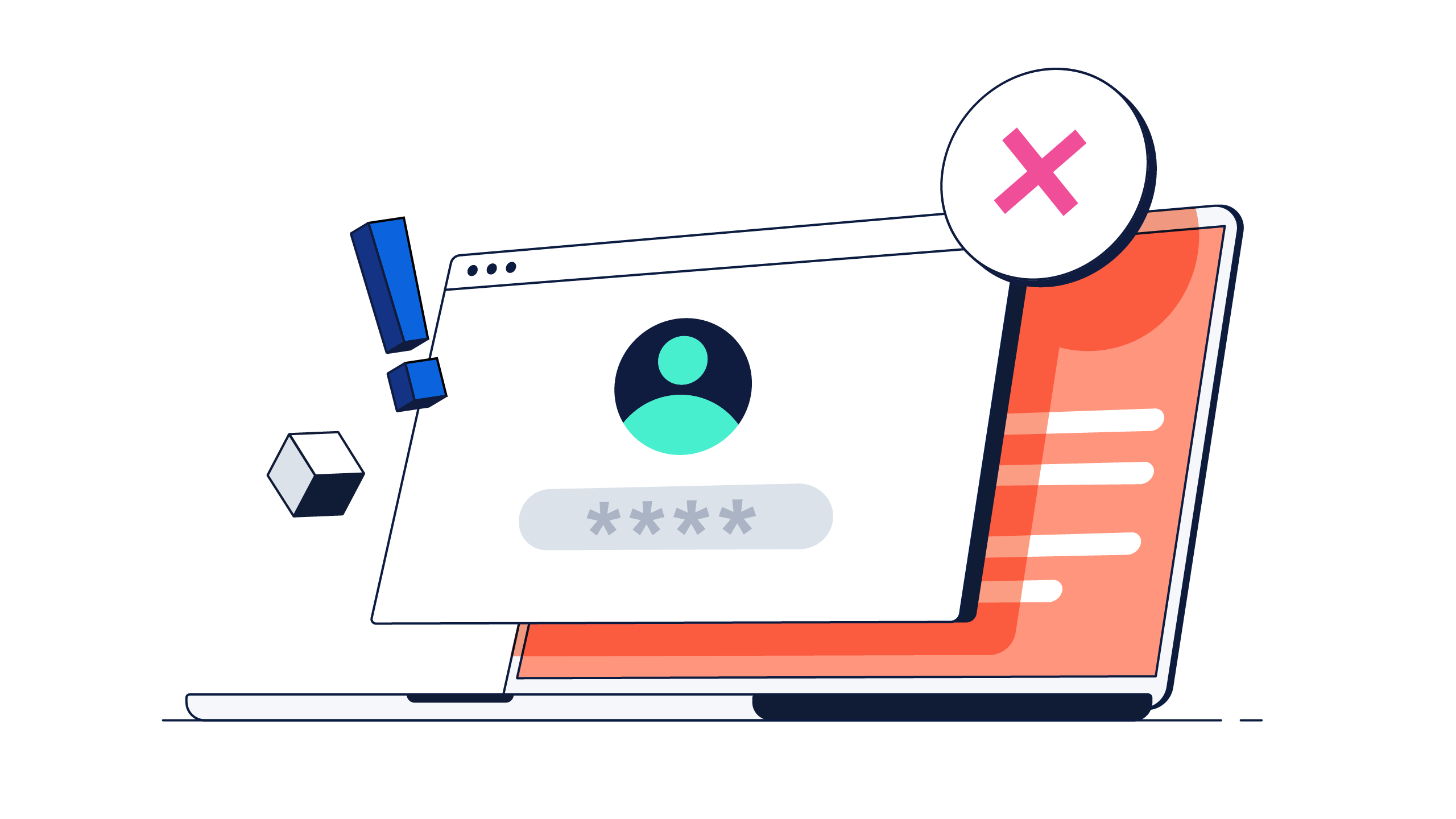
AI-assisted vulnerability discovery and exploitation drastically shortens the gap between identifying a flaw and weaponizing it. Because patch management is already resource-intensive, this acceleration leaves organizations more exposed, especially to unknown or zero-day exploits.
By using AI or other advanced tools, attackers can automate the identification of vulnerabilities in software, systems, or networks. Then, they exploit those weaknesses without human intervention. Using pattern recognition and anomaly detection, AI models parse and analyze massive codebases. For adversaries, this enables rapid discovery of exploitable vulnerabilities, delivering deeper visibility into an organization’s software architecture and security posture.
Machine learning tools also power automated penetration testing. By simulating attacks at scale, they probe systems for misconfigurations and weaknesses. Once these vulnerabilities are found, AI can help craft reliable exploits automatically, reducing the technical barrier for less-skilled adversaries.
Why it matters
AI-enabled proactive vulnerability management is the only way to reduce risk exposure. Unlike traditional manual methods, AI can monitor your system for vulnerabilities 24/7 and patch them up, fast. Solutions like continuous monitoring, threat research, threat intelligence integration, and automated patching are essential to keep adversaries from exploiting your vulnerabilities.
3. Adversarial attacks on AI systems

The paradox of AI-enhanced systems is that while AI bolsters defenses and increases operational efficiencies, it also creates new attack surfaces. Adversarial attacks on AI models affect the reliability of AI-based defenses. If malware classifiers or fraud detection systems can be manipulated, organizations lose a critical line of defense.
While security teams increasingly rely on machine learning models for malware detection, fraud prevention, and intrusion detection, adversarial attacks on AI systems aim to cause machine learning model malfunctions through data poisoning, adversarial inputs, and even model extraction. By injecting manipulated data into training sets, attackers can bias models to make incorrect predictions, like misclassifying malware as safe. This type of data poisoning is especially dangerous because it allows threats to bypass defenses while remaining hidden within the model’s decision-making process.
With adversarial inputs, attackers can alter data by tweaking pixels in images or modifying metadata to fool AI models. Model extraction attacks rely on querying organizational models extensively to reverse-engineer their behavior and design inputs that bypass them, creating insidious threats in systems.
Why it matters
Securing AI models requires monitoring for anomalies in model outputs, securing training data, and regularly stress-testing models against adversarial inputs.
4. Deepfake and synthetic identity attacks

Deepfakes and synthetic identity attacks are some of the most alarming uses of AI. Convincing video, audio, and images are being used in misinformation campaigns, high-stakes fraud, and impersonation schemes. This exposes organizations to:
- Identity verification bypass: American poet James Whitcomb Riley once said, "When I see a bird that walks like a duck and swims like a duck and quacks like a duck, I call that bird a duck." Unfortunately, the times are not as simple as they once were. With deepfakes, that “duck” could be a wolf in sheeps’ clothing.
- Synthetic customers: Fraudsters fabricate identities created from stolen individual data and target banks and fintech companies to open accounts or launder money.
- Reputational damage: Adversaries can spread false information online, using fake videos or images of employees, or fraudulent social media accounts, to undermine trust in a brand or organization.
Why it matters
Deepfakes and synthetic identity fraud have far-reaching, costly impacts for organizations and individuals alike. Moreso, these attacks directly erode trust in digital interactions, a cornerstone of online living.
To counter these threats, organizations must adopt verification measures that go beyond visual or voice recognition, such as multifactor authentication for sensitive actions. Additionally, investing in deepfake detection technologies is becoming critical for both fraud prevention and brand protection.
The road ahead for security teams
As AI continues to develop for defensive purposes, so too does it for AI-driven threats. Cyber attacks are accelerating in both speed and scale, with sophisticated malware adapting to traditional defenses and employing advanced evasion techniques. Spearphishing has become more convincing and effective, while vulnerabilities in large language models introduce new risks such as data leakage.
Equipped with machine learning and generative AI tools, attackers are faster, more adaptive, and harder to detect, leaving organizations with little margin for error.
To successfully secure their operations and business, security leaders must move beyond reactive strategies and adopt a proactive, AI-informed defense posture. That means integrating advanced detection tools with strong governance, resilient processes, and a culture of skepticism around digital interactions.
To stay ahead, security teams should:
Adopt AI for defense
Use AI-powered detection, behavioral analytics, and threat-hunting tools to match the speed of AI attacks. This “fight fire with fire” approach is really the only way to keep up with the scale and sophistication of AI-fueled threats.
Reinforce human verification
Add multistep verification processes to high-risk actions that are vulnerable to impersonation.
Secure their AI
Protect the integrity of machine learning models with adversarial testing and robust data hygiene.
Invest in resilience
Assume that AI-driven attacks will bypass some defenses, and build incident response and recovery processes that minimize damage when cybersecurity breaches occur.
See how AI tools are reshaping the playing field for cybersecurity professionals.
Share
- Share on Twitter
Share on Twitter
- Share on LinkedIn
Share on LinkedIn
- Share on Facebook
Share on Facebook
- Share by Email
Share by Email
- Print this page
Print