Blogs
Insights de desenvolvedores e artigos práticos dos nossos experts para inspirar e fortalecer suas buscas

Higher throughput and lower latency: Elastic Cloud Serverless on AWS gets a significant performance boost
We've upgraded the AWS infrastructure for Elasticsearch Serverless to newer, faster hardware. Learn how this massive performance boost delivers faster queries, better scaling, and lower costs.

jina-embeddings-v3 is now available on Elastic Inference Service
Introducing jina-embeddings-v3 on Elastic Inference Service (EIS) and explaining how to get started.
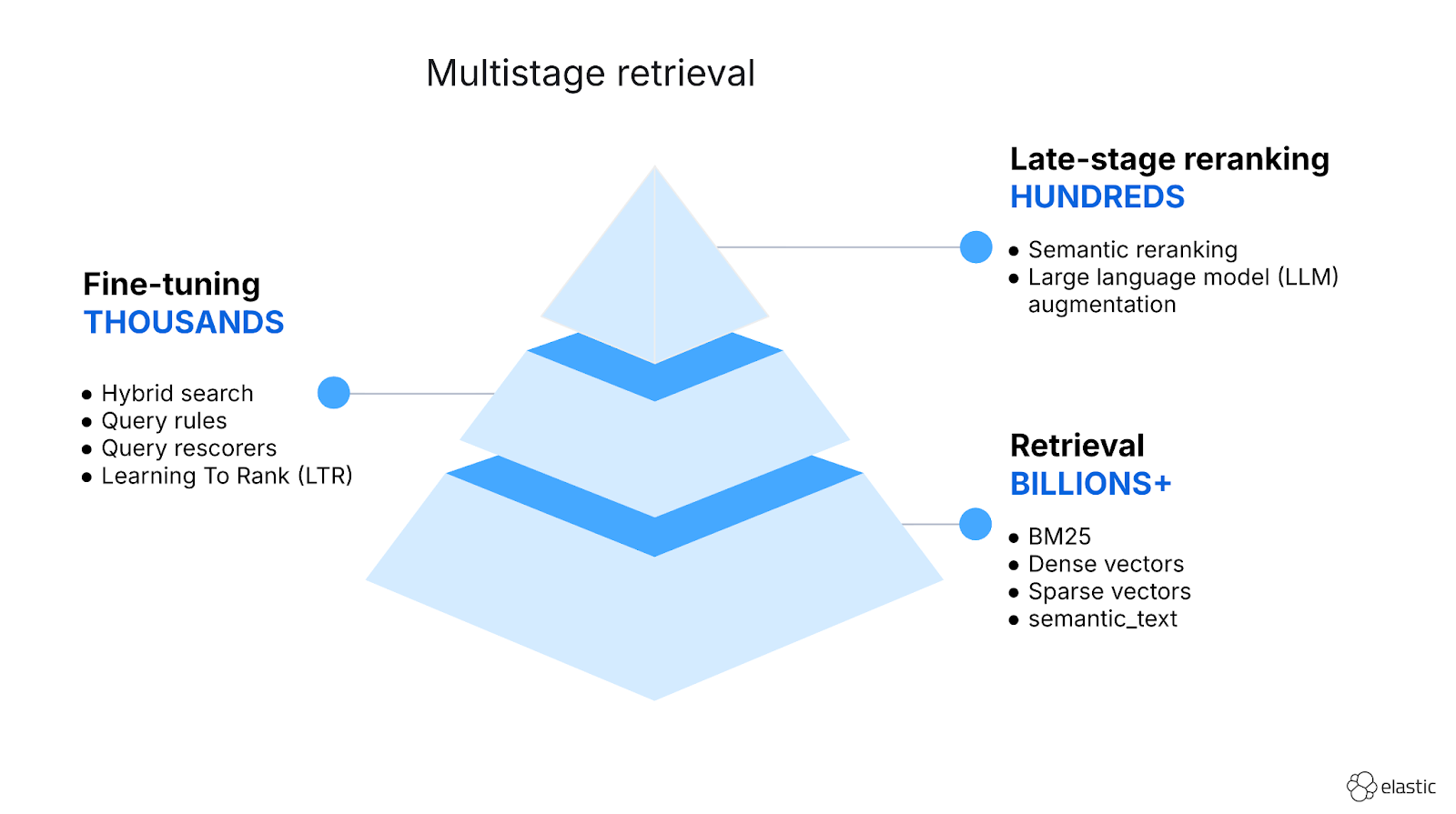
Hybrid search and multistage retrieval in ES|QL
Explore the multistage retrieval capabilities of ES|QL, using FORK and FUSE commands to integrate hybrid search with semantic reranking and native LLM completions.
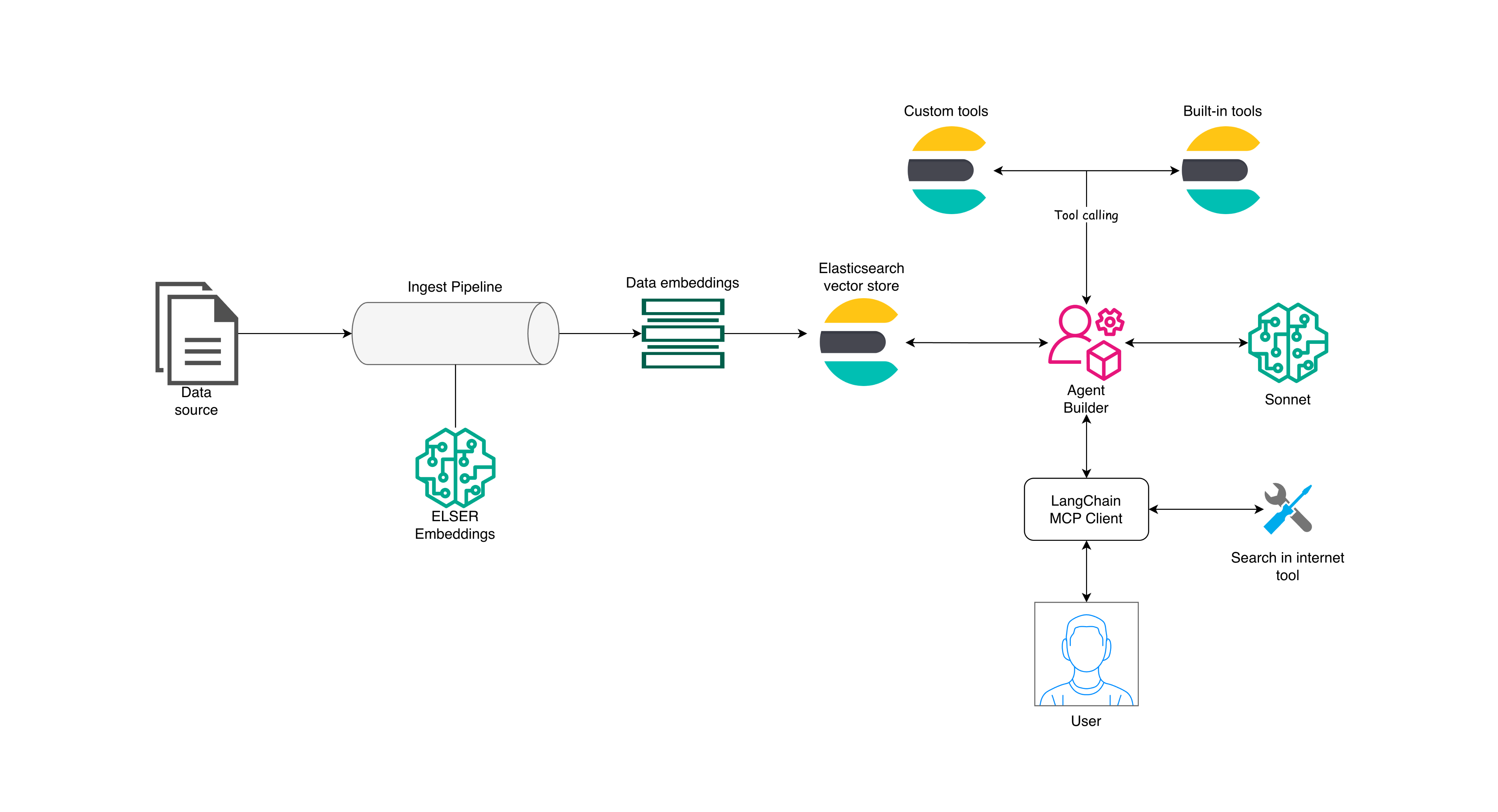
Implementing an agentic reference architecture with Elastic Agent Builder and MCP
Explore an agentic reference architecture with Elastic Agent Builder, MCP, and semantic search to build a security agent for automated threat analysis.
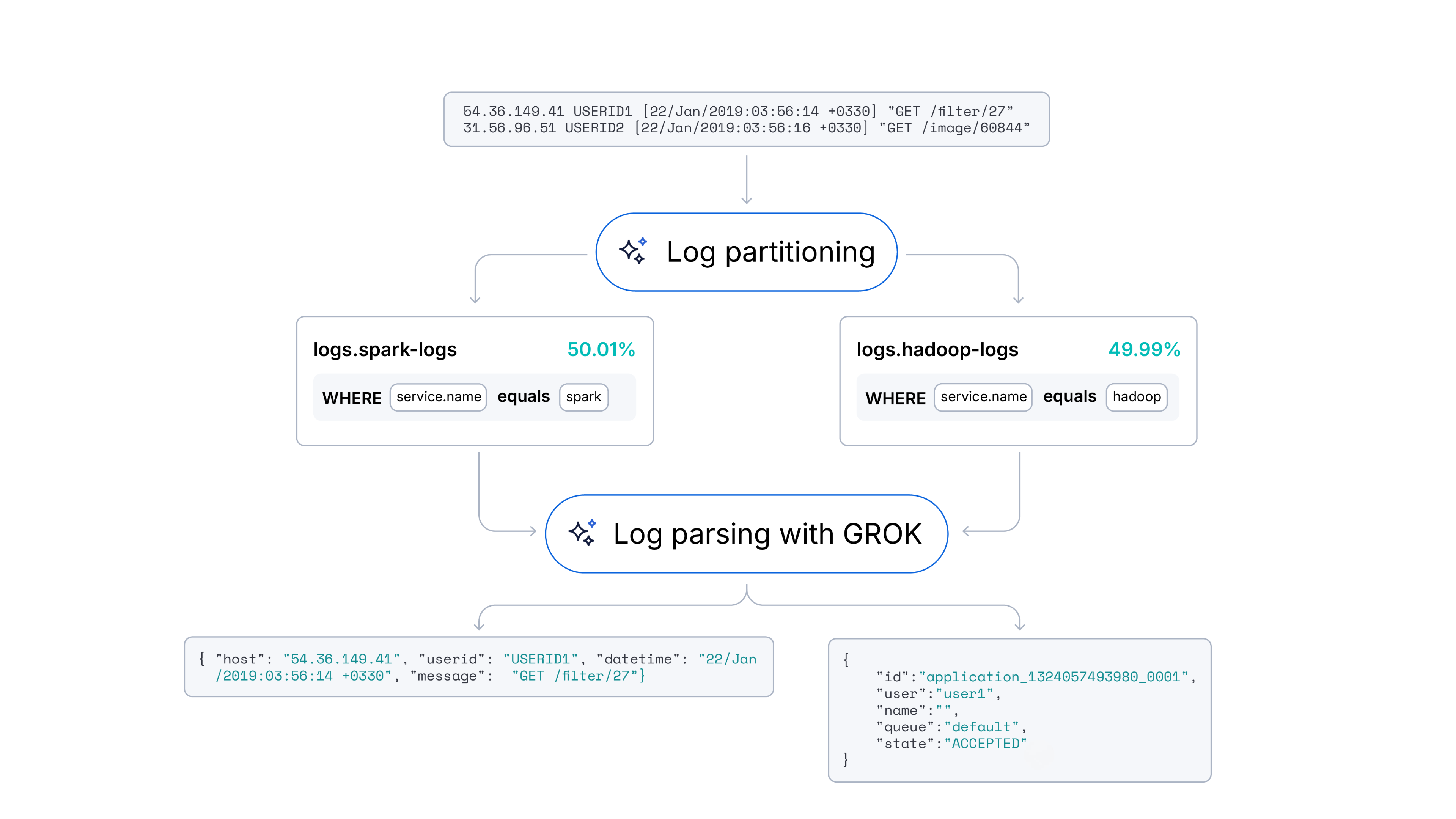
Automating log parsing in Streams with ML
Learn how a hybrid ML approach achieved 94% log parsing and 91% log partitioning accuracy through automation experiments with log format fingerprinting in Streams.
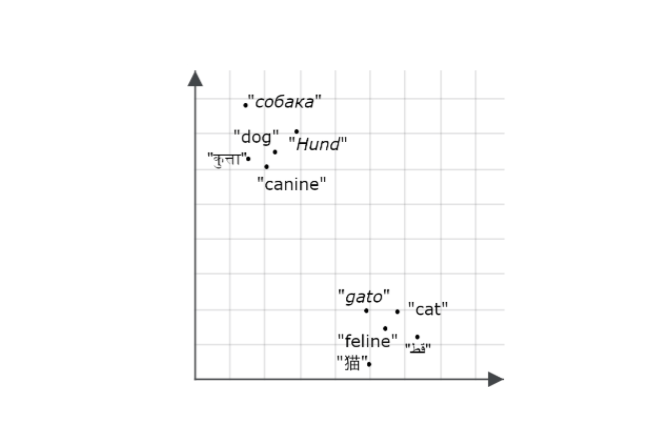
An introduction to Jina models, their functionality, and uses in Elasticsearch
Explore Jina multimodal embeddings, Reranker v3, and semantic embedding models, and how to use them natively in Elasticsearch.
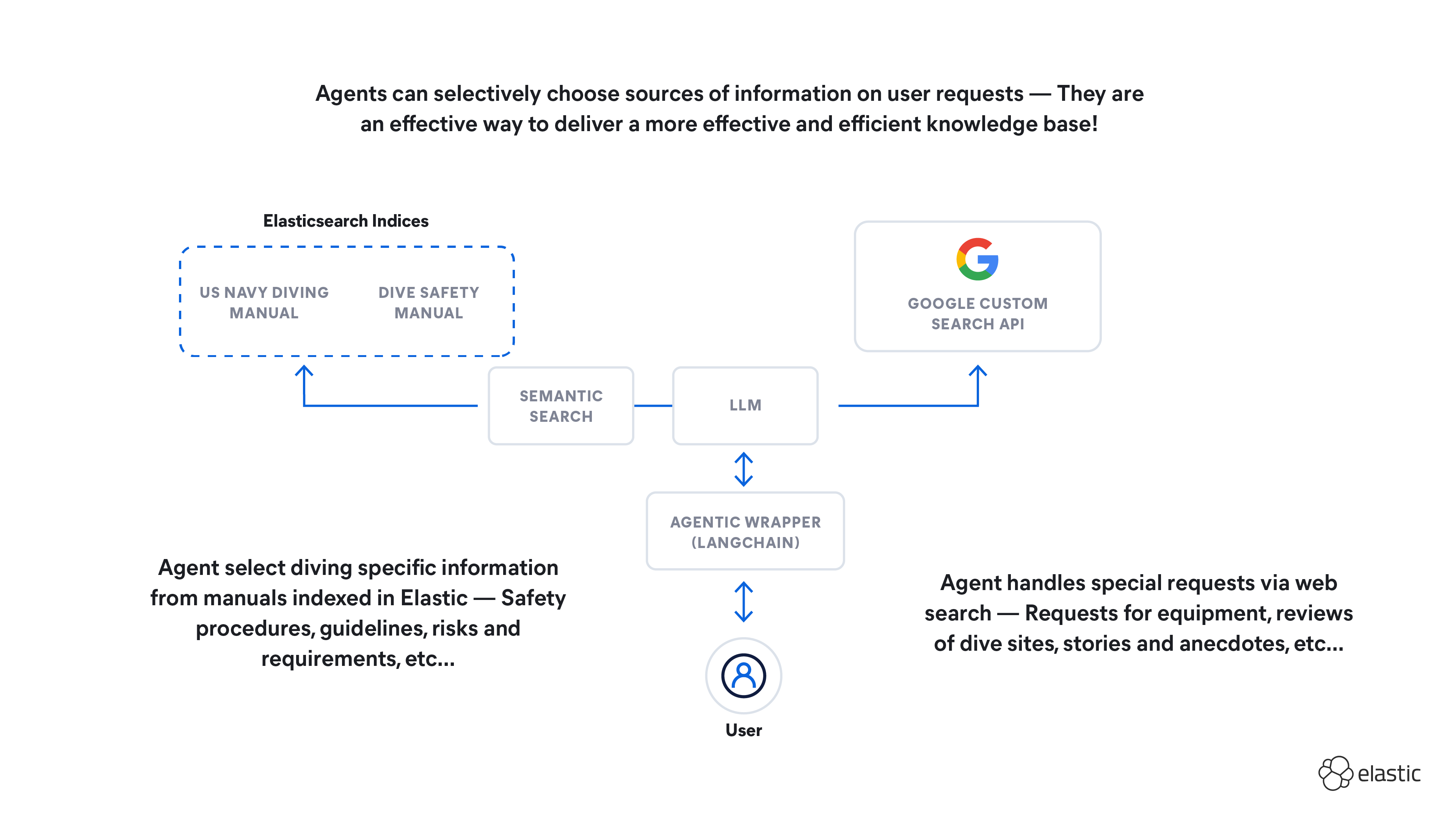
How to build an agent knowledge base with LangChain and Elasticsearch
Learn how to build an agent knowledge base and test its ability to query sources of information based on context, use WebSearch for out-of-scope queries, and refine recommendations based on user intention.

NeurIPS 2025 highlights: From model merging to deep learning for code
Explore our NeurIPS 2025 highlights on model merging, task vectors, and VLM dynamics, plus our DL4C workshop presentation on Jina code embeddings.
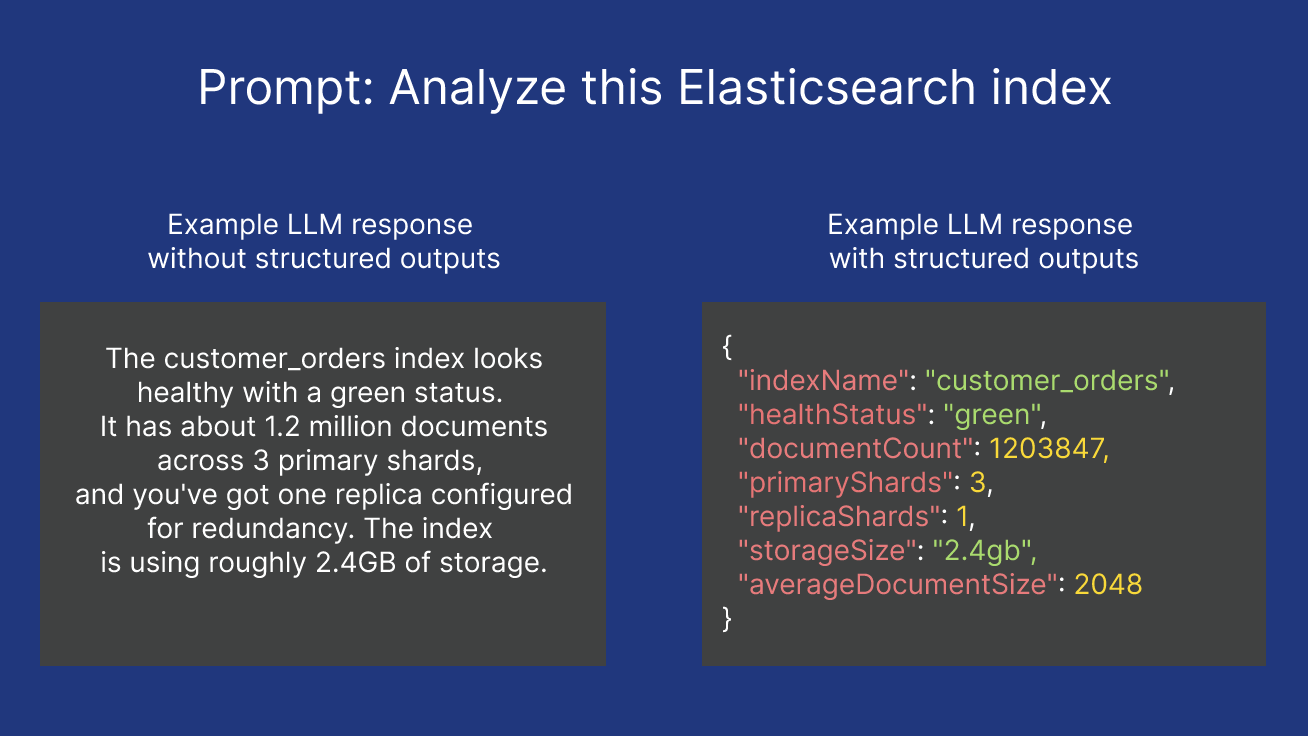
Creating reliable agents with structured outputs in Elasticsearch
Explore what structured outputs are and how to leverage them in Elasticsearch to ground agents in the most relevant context for data contracts.
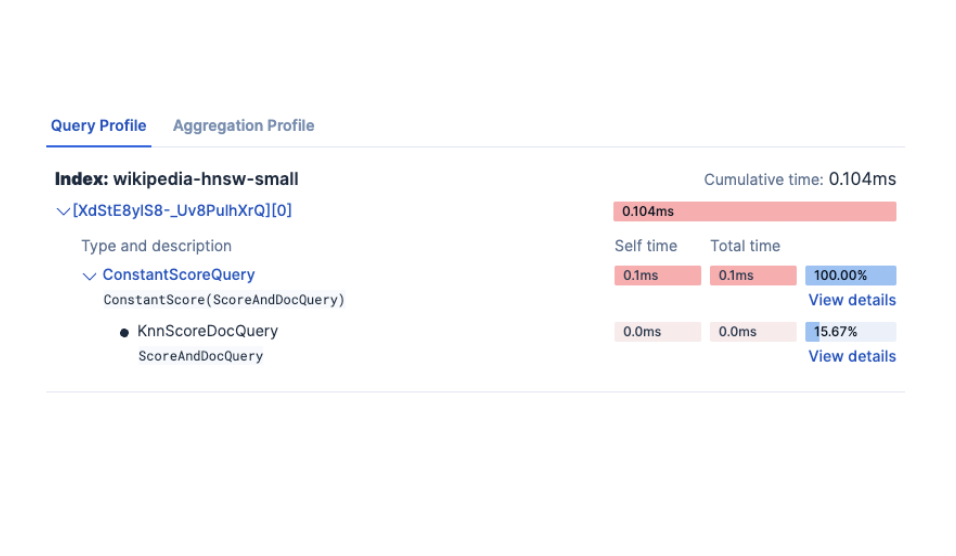
Comparing dense vector search performance with the Profile API in Elasticsearch
Learn how to use the Profile API in Elasticsearch to compare dense vector configurations and tune kNN performance with visual data from Kibana.

Influencing BM25 ranking with multiplicative boosting in Elasticsearch
Learn why additive boosting methods can destabilize BM25 rankings and how multiplicative scoring provides controlled, scalable ranking influence in Elasticsearch.

Elasticsearch Serverless pricing demystified: VCUs and ECUs explained
Learn how Elasticsearch Serverless pricing works for Elastic’s fully-managed deployment offering. We explain VCUs (Search, Ingest, ML) and ECUs, detailing how consumption is based on actual allocated resources, workload complexity, and Search Power.