Agent Skills for Elastic: AI 에이전트를 Elastic 전문가로 전환하기
Elastic Agent Skills로 AI 코딩 에이전트에게 지식을 제공하세요. 데이터를 쿼리하고 시각화하며 보안 및 자동화까지 수행합니다.
Agent Builder는 이제 이제 정식 버전으로 이용 가능합니다. Elastic Cloud 체험판으로 시작하고, 여기에서 Agent Builder 문서를 확인 해 보세요.
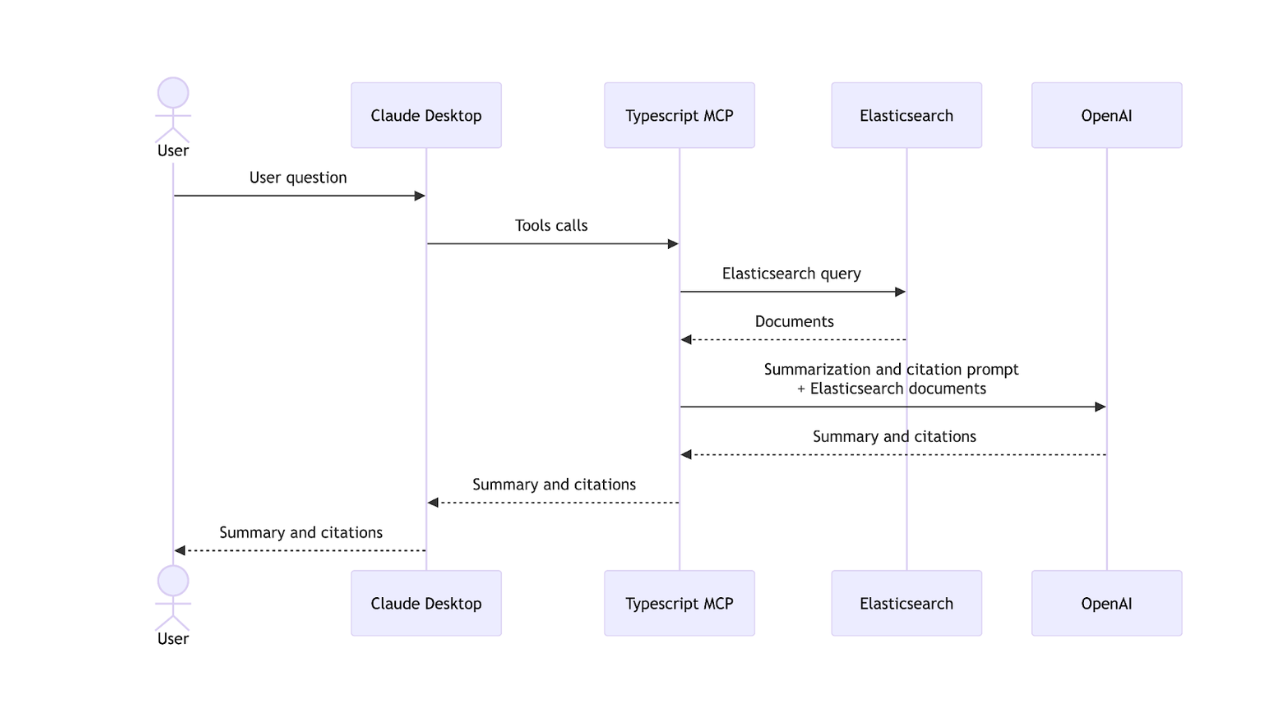
특화된 플랫폼에서 AI 코딩 에이전트를 사용해 본 개발자, 사이트 신뢰성 엔지니어(SRE), 혹은 분석가라면 누구나 한 번쯤 같은 장벽에 부딪힌 적이 있을 것입니다. 에이전트에게 쿼리 작성을 요청하거나 알림 설정 또는 특정 사안을 조사해 달라고 하면 그럴듯하게 답변은 하지만 정확하지는 않은 경우가 있습니다. Elastic은 여기서 큰 강점을 가지고 있습니다. 10년 넘게 축적된 문서, 블로그 게시물 및 커뮤니티 답변 덕분에 AI 에이전트는 이미 다른 데이터 플랫폼보다 Elastic을 더 잘 알고 있습니다. 하지만 그 방대한 지식에는 노이즈도 섞여 있습니다. 최신 API 사이에 이미 사용 중단된 API가 나열됩니다. 이 때문에 낡은 패턴들이 마치 모범 사례인 것처럼 제안되곤 합니다. 에이전트는 3단계 전 버전에서나 통했을 방식을 마치 정답인 양 자신 있게 내놓습니다. 학습 데이터 안에서는 여전히 성공적인 사례로 남아 있기 때문입니다. 결국 사용자는 문서 내용을 수동으로 컨텍스트에 입력하고 AI가 만들어낸 잘못된 구문을 수정하는 등 에이전트와 함께 일하기보다 에이전트를 수습하는 데 더 많은 시간을 할애하게 됩니다. 더 안타까운 점은 사용자가 필요하지 않아서가 아니라 에이전트가 그 존재를 몰라서 고급 기능들이 아예 활용되지 못한다는 것입니다.
이것이 바로 Elastic이 Elastic Agent Skills를 오픈 소스로 공개하는 이유입니다. 이는 Elasticsearch, Kibana, Elastic Observability 및 Elastic Security를 위한 네이티브 플랫폼 전문 지식입니다. 현재 사용 중인 에이전트 런타임에 이 스킬들을 추가해 보세요. 수많은 구문을 추측만 하던 '범용' 수준의 에이전트를 Elastic 엔지니어링 팀만큼의 아키텍처 표준을 구사하는 전문가로 업그레이드할 수 있습니다. 이번 초기 기술 프리뷰 버전은 Elastic Cloud Serverless와 최상의 호환성을 갖춘 스킬을 중심으로 제공됩니다. 하지만 빠른 시일 내에 이전 스택 버전에 대한 지원도 넓혀나갈 예정입니다.
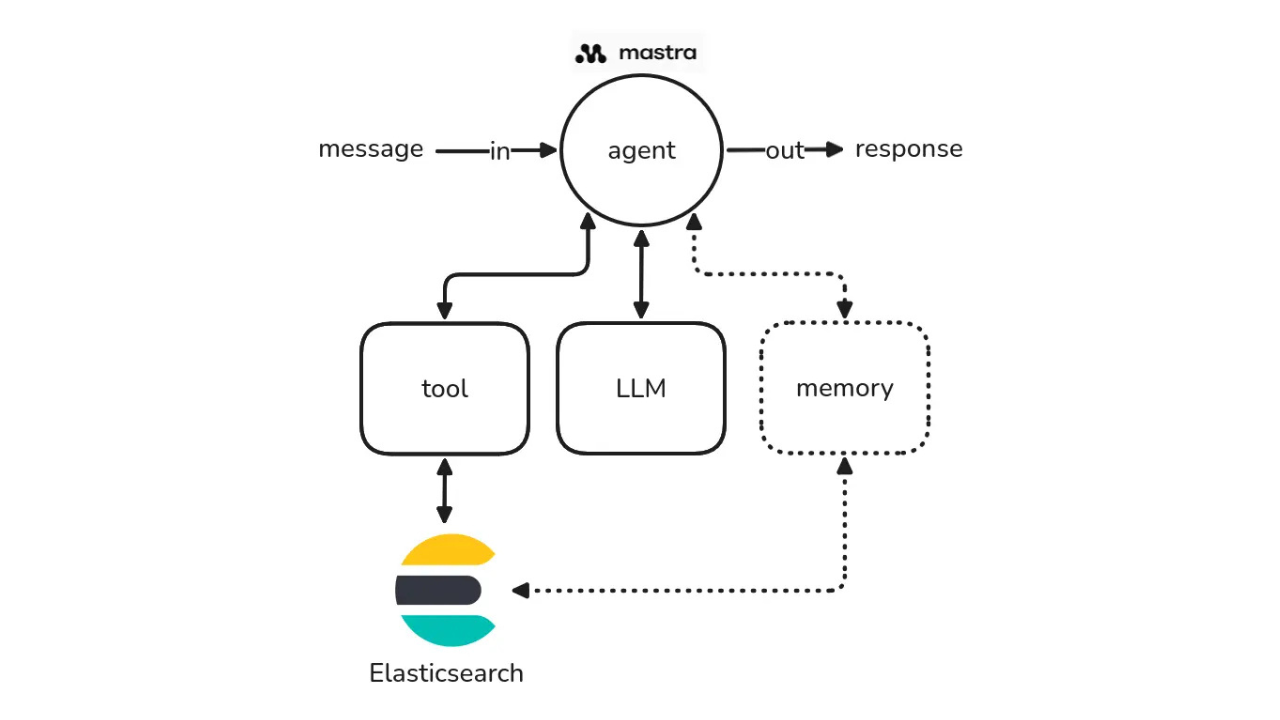
또한 Elastic은 이 문제를 양방향에서 해결하고 있습니다. 우선 Elastic 플랫폼 내의 에이전트를 위해, 이제 정식 버전으로 출시된 Elastic Agent Builder를 제공합니다. 이를 통해 데이터 접근 권한을 상속받고 내장된 검색 및 분석 도구를 사용하며 대시보드, 알림 및 조사와 연동되는 AI 에이전트를 생성하고 대화할 수 있습니다. Elastic은 플랫폼 내에서 최상의 에이전트 중심 경험을 구현하기 위해 전력을 다하고 있습니다. 하지만 모든 에이전트가 Elastic 내부에서만 활동하는 것은 아닙니다. 여러분의 팀은 이미 Cursor, Claude Code 또는 다른 런타임을 사용하고 있을 것이며 이 에이전트들 역시 Elastic을 제대로 활용할 수 있어야 합니다. 바로 그 지점에서 Agent Skills가 핵심적인 역할을 수행합니다.
AI 에이전트가 전문 플랫폼에서 어려움을 겪는 이유
대규모 언어 모델(LLM)은 다방면에 능한 팔방미인과 같습니다. 학습 데이터의 예제가 풍부하다 보니 Python을 작성하거나 Kubernetes 매니페스트를 설명하고 React 컴포넌트를 리팩토링하는 일을 능숙하게 해냅니다. 그러나 전용 쿼리 언어와 방대한 API 체계 그리고 해당 도메인의 특수한 설계 원칙을 준수해야 하는 전문 플랫폼 작업에서는 예외 없이 한계를 드러내고 맙니다.
Elasticsearch의 경우 이러한 간극은 다음과 같이 구체적으로 나타납니다.
Elasticsearch 쿼리 언어(ES|QL)는 새로운 영역입니다. LLM은 SQL 위주로 집중 학습되었지만 ES|QL은 구문과 함수, 의미 체계가 전혀 다른 파이프 기반의 쿼리 언어입니다. 이 때문에 에이전트는 겉보기엔 그럴듯하지만 실제로는 구문 분석이 되지 않는 쿼리를 작성하는 경우가 많습니다.
WHERE을| WHERE으로 착각하거나 존재하지 않는 함수를 임의로 만들어내고 파이프 중심의 쿼리 구성 방식을 완전히 놓치기도 합니다.API 체계는 방대하고 복잡합니다. Elasticsearch, Kibana 및 Elastic Security는 검색, 수집, 알림, 탐지 규칙, 케이스 관리, 대시보드 등 전반에 걸쳐 수백 개의 API를 제공합니다. 보편적인 학습 데이터만 갖춘 에이전트는 어떤 엔드포인트를 호출할지, 요청 본문은 어떻게 구성할지, 응답은 어떻게 처리할지를 추측에 의존할 수밖에 없습니다. 그리고 이러한 추측이 빈번하게 빗나가면서 결국 사용자의 신뢰를 떨어뜨리게 됩니다.
학습 데이터에는 실무 노하우가 반영되어 있지 않습니다. 언제
semantic_text를 사용하고 언제 커스텀 임베딩 파이프라인을 구축할지, 10GB 크기의 CSV 수집 파이프라인은 어떻게 구성해야 할지, 혹은 MITRE ATT&CK 기술에 적합한 탐지 규칙 구문은 무엇인지와 같은 고민은 학습 데이터만으로 해결하기 어렵습니다. 범용 에이전트에는 잘 정리되고 신뢰할 수 있는 구조를 갖춘 Elastic 전용 지식이 기본적으로 탑재되어 있지 않기 때문입니다. 에이전트가 직접 정보를 찾아낸다 하더라도 가공되지 않은 문서는 숙련된 전문가가 가진 상황별 판단이나 실무 노하우까지 모두 담아내지는 못합니다.
그 결과 개발자는 직접 코드를 짤 때보다 에이전트의 결과물을 수정하는 데 더 많은 시간을 허비하게 됩니다. 이는 우리가 기대했던 경험이 전혀 아닙니다.
에이전트 스킬: 에이전트를 위해 패키징된 플랫폼 지식
npx skills add elastic/agent-skills
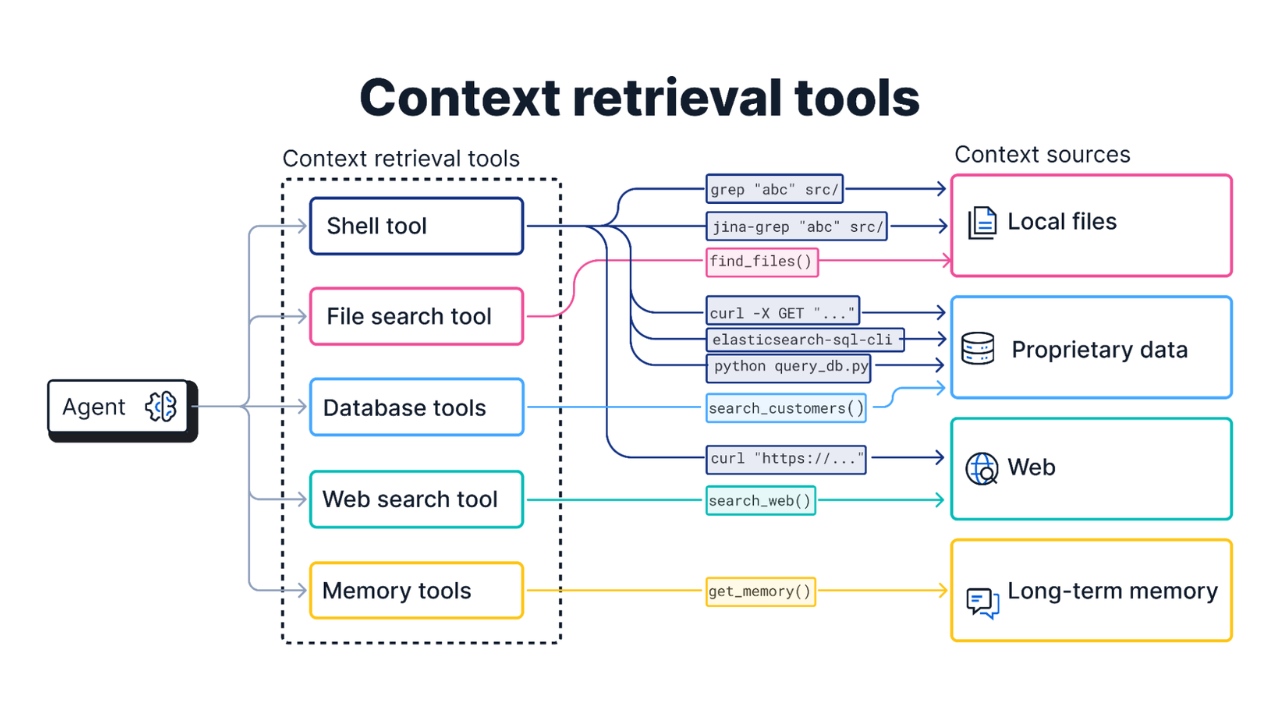
Agent Skills는 에이전트 런타임이 동적으로 로드할 수 있는 지침, 스크립트 및 참조 자료가 포함된 독립적인 디렉터리입니다. 스킬이 활성화되면 에이전트는 적절한 시점에 적절한 컨텍스트(쿼리 구문, API 패턴, 검증 논리, 실제 실행 사례 등)에 접근할 수 있게 되며 이를 통해 첫 시도만으로도 작업을 정확하게 완료할 수 있습니다.
각 스킬은 오픈 소스인 agentskills.io 사양을 따릅니다. 이는 메타데이터와 구조화된 지침이 담긴 SKILL.md 파일이 포함된 폴더 형태입니다. 독자적인 포맷도 벤더 종속성도 없습니다. 스킬은 Cursor, Claude Code, GitHub Copilot, Windsurf, Gemini CLI, Cline, Codex를 비롯하여 다양한 에이전트 런타임에 걸쳐 작동합니다.
초기 v0.1.0 릴리스 포함 내용
첫 번째 스킬 세트는 Elastic Stack의 다섯 가지 영역을 아우릅니다.
Elasticsearch API와 상호 작용(검색, 인덱싱, 클러스터 관리)
Kibana 콘텐츠 구축 및 관리(대시보드, 알림, 커넥터 등)
Elastic Observability를 위한 도메인 전문성
Elastic Security를 위한 도메인 전문성
Agent Builder 내에서 효과적인 에이전트 만들기
스킬의 결합성
스킬은 거대한 단일 구조가 아닙니다. 설계 단계부터 모듈화되어 있습니다. 에이전트는 현재 수행 중인 작업에 필요한 스킬만 로드합니다. ES|QL 쿼리를 작성 중인가요? ES|QL 스킬이 활성화됩니다. 그 결과로 대시보드를 만들어야 하나요? 대시보드 스킬이 작업을 넘겨받습니다. 애플리케이션의 상태를 평가 중인가요? 서비스 상태 스킬이 작동합니다. 보안 알림을 조사 중인가요? 분석 스킬이 조사의 진행 단계에 따라 케이스 관리 및 대응 스킬로 이어집니다.
이러한 결합성은 모든 것을 한꺼번에 해결하려는 거대한 단일 프롬프트가 필요 없음을 의미합니다. 각 스킬은 해당 도메인에 필요한 만큼의 컨텍스트만을 담고 있으며 그 이상도 그 이하도 아닙니다.
검색 및 AI 애플리케이션을 구축하는 개발자를 위한 스킬
Elasticsearch에 데이터를 로드하거나 쿼리를 작성하고 인덱스를 마이그레이션할 때 에이전트 스킬은 코드를 생성하고 오류에 부딪힌 뒤 원인을 찾기 위해 문서를 검색해야 하는 과정을 줄여줍니다.
에이전트에게 CSV 파일 로드를 요청하면 에이전트는 백프레셔를 처리하고 데이터에서 매핑을 추론하는 스트리밍 수집 도구를 사용합니다. 이는 대용량 파일을 처리하자마자 메모리 부족을 일으키는 임시방편의 수동 _bulk 루프가 아닙니다. ES|QL로 쿼리하도록 요청하면 에이전트는 실제 인덱스 이름과 필드 스키마를 찾아낸 뒤 정확한 구문, 적절한 집계, 버전별 기능을 반영한 유효한 파이프 쿼리를 작성합니다. 세 번씩 디버깅을 반복해야 하는 SQL의 흉내만 낸 추측성 답변이 아닙니다. 클러스터 간 재인덱싱을 요청하면 에이전트는 명시적 매핑으로 대상 인덱스를 생성하고 처리량 최적화를 위한 설정 튜닝까지 수행합니다. 또한 작업을 비동기로 실행하고 완료 후 운영 설정을 복구하는 전체 운영 워크플로우를 따릅니다. 숙련된 운영자가 수행할 단계들을 절반이나 건너뛰는 단순한 _reindex 호출이 아닙니다.
사용자가 직접 수정해야 하는 그럴싸한 시작점만 제공하는 에이전트 대신 운영 방식을 내재화하여 실행 가능한 결과물을 만드는 에이전트를 얻게 됩니다.
Elastic Agent Skills 사용에 따른 주요 변화 예시
Eval | 스킬 적용 시 변화된 내용 |
|---|---|
es-audit-query-failed-logins | 일반적인 검색 대신 스킬에 정의된 감사 로그 쿼리 패턴을 사용함 |
es-authz-role-mapping-ldap | 정확한 역할 매핑 API 호출 구조를 출력함 |
esql-기본 쿼리 | 쿼리 DSL을 통한 ES|QL 파이프 구문 작성 |
esql 오류 처리 | 필드 이름을 추측하는 대신 스키마를 우선적으로 확인함 |
esql-schema-discovery | 인덱스 이름을 절대 임의로 추측하지 않음 |
es-ingest-csv-with-infer | --infer-mappings를 단독 사용하고 빈 인덱스를 유발하는 --source-format csv와의 조합을 피함 |
es-ingest-json-file | 대용량 파일을 처리할 수 있는 견고한 수집 방식을 사용함 |
es-reindex-local-async | 복제본: 0 및 refresh_interval: "-1" 설정으로 대상 인덱스를 먼저 생성한 뒤 비동기 재인덱싱 수행함. 기본 모델은 준비 단계를 건너뜀 |
es-security-403-privileges | 일반적인 조언 대신 권한 오류에 대한 스킬의 진단 워크플로우를 따름 |
보안 팀을 위한 스킬
보안 팀은 매일 알림 심사, 탐지 규칙 최적화, 케이스 관리와 같은 동일한 운영 워크플로우를 반복합니다. Agent Skills는 이러한 절차적 지식을 내재화하여 AI 에이전트가 정확한 필드 이름으로 적절한 API를 올바른 순서에 따라 호출하며 워크플로우를 수행할 수 있게 합니다. IDE를 벗어나지 않고 초기 설정부터 실제 데이터가 완비된 Elastic Security 환경을 구축하는 실습 과정은 AI 에이전트로 Elastic Security 시작하기 가이드를 참조하세요.
통합 가시성 및 운영 팀을 위한 스킬
Elastic Observability를 위한 새로운 Agent Skills는 복잡한 시스템의 계측, SLO 관리, 복잡한 데이터 선별, 서비스 상태 평가 등에 드는 운영상의 수고를 줄여줍니다. AI 에이전트에 Elastic의 네이티브 전문 지식을 직접 내재화함으로써 운영 팀은 간단한 자연어만으로도 복잡한 통합 가시성 워크플로우를 실행할 수 있습니다. 이를 통해 SRE 및 운영 팀은 장애를 더 빠르게 해결하고 시스템의 신뢰성을 더욱 쉽게 유지할 수 있습니다. 자세한 내용은 블로그에서 확인해 보세요.
오픈 소스, 오픈 사양, 커뮤니티 중심
Elastic은 에이전트의 지식이 공개되어야 한다고 믿기에 Agent Skills를 Apache 2.0 라이선스로 출시합니다. 각 스킬이 따르는 agentskills.io 사양은 Elastic의 독자적인 포맷이 아닌 오픈 표준입니다. Elastic은 에이전트 스킬이 폐쇄적인 환경이 아닌 커뮤니티가 함께 만들어가는 노력이 되기를 바랍니다.
더 큰 그림의 일부
Agent Skills는 Elasticsearch를 현존하는 가장 에이전트 친화적인 데이터 플랫폼으로 만들기 위한 광범위한 이니셔티브의 일환입니다. Elasticsearch 플랫폼 기반의 에이전트를 위해 Agent Builder는 데이터 액세스 제어 및 권한을 상속받아 한 단계 더 진화된 기능을 제공합니다. 또한 검색 및 분석을 위한 내장 및 커스텀 도구를 제공하며 사용자가 대시보드, 알림 및 조사 워크플로우와 함께 컨텍스트에 맞게 에이전트와 상호 작용할 수 있도록 지원합니다. 마지막으로 Agent Builder에 스킬 지원 기능이 곧 추가될 예정입니다. 이를 통해 개발자는 Elastic Agent Skills뿐만 아니라 다른 소스의 스킬까지 유연하게 활용하여 Elasticsearch 플랫폼에서 보안이 강화되고 컨텍스트가 풍부한 채팅 및 자동화를 구현할 수 있게 됩니다.
Elastic 외부의 다양한 환경에서 운영되는 에이전트를 위해 Elastic은 다음과 같은 오픈 생태계에 투자하고 있습니다.
모델 컨텍스트 프로토콜(MCP) 서버 확장: 현재의 검색, ES|QL, 인덱스 작업을 넘어 더 많은 도구를 사용할 수 있도록 Agent Builder의 MCP 엔드포인트를 확장합니다.
인증 방식 개선: 수동으로 API 키를 복사하고 붙여넣는 과정을 없애는 것을 목표로 에이전트가 더욱 쉽고 안전하게 연결할 수 있도록 개선합니다.
LLM이 이해하기 쉬운 문서: 에이전트가 스스로 Elastic API를 탐색하고 이해할 수 있도록
llms.txt및AGENTS.md파일을 게시합니다.에이전트 워크플로우용 명령줄 인터페이스(CLI): 연결 관리 및 일반적인 작업을 에이전트 친화적으로 만들어 주는 명령줄 도구를 제공합니다.
스킬은 현재 바로 사용할 수 있는 계층이며 나머지도 곧 추가될 예정입니다.
시작하기
시작하기 전에: AI 코딩 에이전트는 실제 자격 증명과 실제 셸 액세스 권한으로 작동하며 대개 에이전트를 실행하는 사용자의 모든 권한을 가집니다. 이러한 에이전트가 보안 워크플로우에 투입될 경우 그 위험성은 더욱 커집니다. 탐지 로직, 대응 조치 및 민감한 텔레메트리에 대한 접근 권한을 자동화된 시스템에 넘겨주는 셈이기 때문입니다. 조직마다 위험 수용 범위는 다릅니다. AI 기반 보안 워크플로우를 활성화하기 전에 에이전트가 어떤 데이터에 접근할 수 있는지, 어떤 작업을 수행할 수 있는지 그리고 예기치 않게 동작할 경우 어떤 영향을 미칠지 평가해야 합니다.
Elastic Agent Skills를 에이전트 런타임에 설치합니다.
npx skills add elastic/agent-skills
이 명령은 설치된 에이전트 런타임을 자동으로 감지하여 올바른 구성 디렉터리에 스킬을 배치합니다. 이후 에이전트는 해당 스킬을 자동으로 인식합니다.
또한 스킬 카탈로그를 직접 탐색하여 스킬 폴더를 에이전트의 구성 디렉터리에 복사함으로써 개별 스킬을 수동으로 설치할 수도 있습니다.
아직 Elasticsearch 클러스터가 없으신가요? Elastic Cloud 무료 체험판을 시작해 보세요. 약 1분이면 모든 설정이 완료된 환경을 준비할 수 있습니다.
프로젝트 살펴보기:
이 콘텐츠가 얼마나 도움이 되었습니까?