

Trust, but benchmark: How we let an AI agent optimize Elasticsearch
We share how we built a harness that automatically identifies and implements optimizations in the Elasticsearch codebase.

17% faster search, zero config: auto-calibrating vector quantization in Elasticsearch
Automatic calibration at merge time picks vector quantization parameters for each segment by predicting recall from a small sample. Here's how we built it into Elasticsearch's merge path.
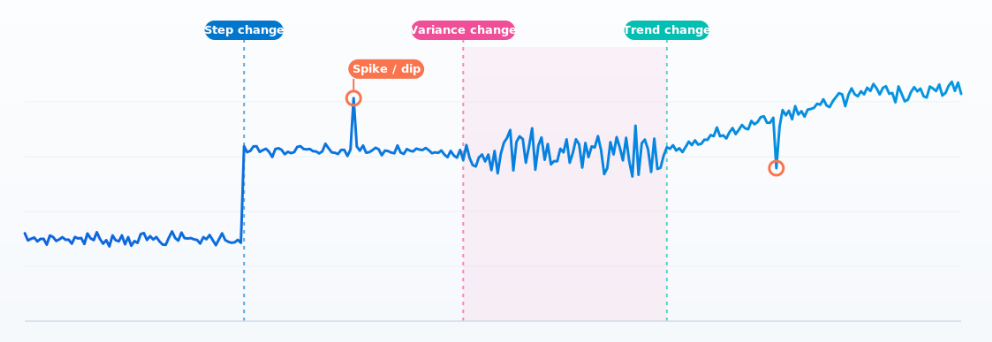
How Elasticsearch detects multiple change points in time series with 0.99 recall
ES|QL's CHANGE_POINT command finds structural shifts, variance changes and spikes in any metric in ~1ms, without tuning anything per series.
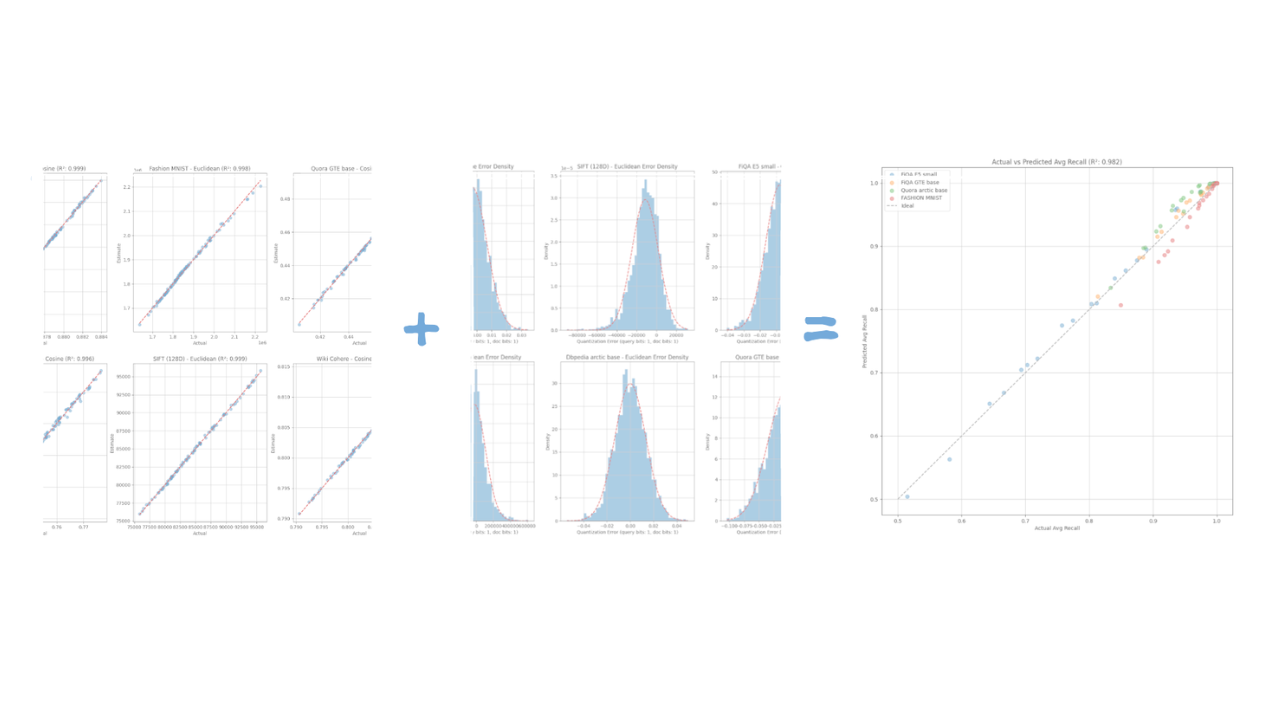
How Elasticsearch auto-tunes vector quantization to hit your recall target
Learn the geometric model that lets Elasticsearch predict recall with R² > 0.98 accuracy and auto-select vector quantization parameters from a small data sample.

Cutting Elasticsearch DiskBBQ query quantization time by 5x
See how asymmetric quantization cuts DiskBBQ query quantization overhead from about 20% to 4% with little recall impact.
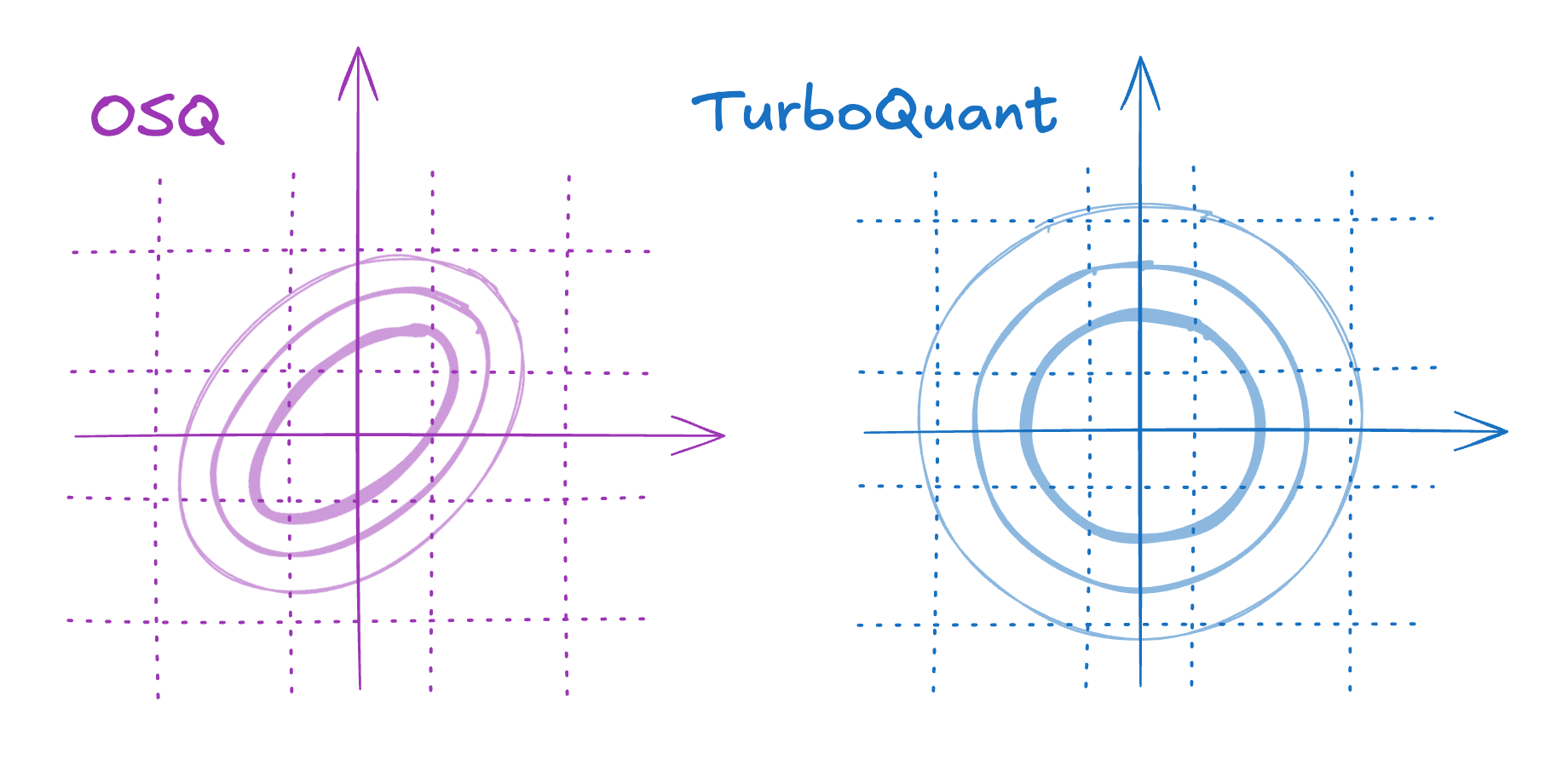
Elasticsearch's BBQ vs. TurboQuant: 10–40× faster on CPU and lower ranking noise
A head-to-head look at Elasticsearch BBQ and TurboQuant, including throughput, ranking accuracy, and why uniform quantization wins for CPU vector search with up to 40× faster comparisons and smaller ranking noise.
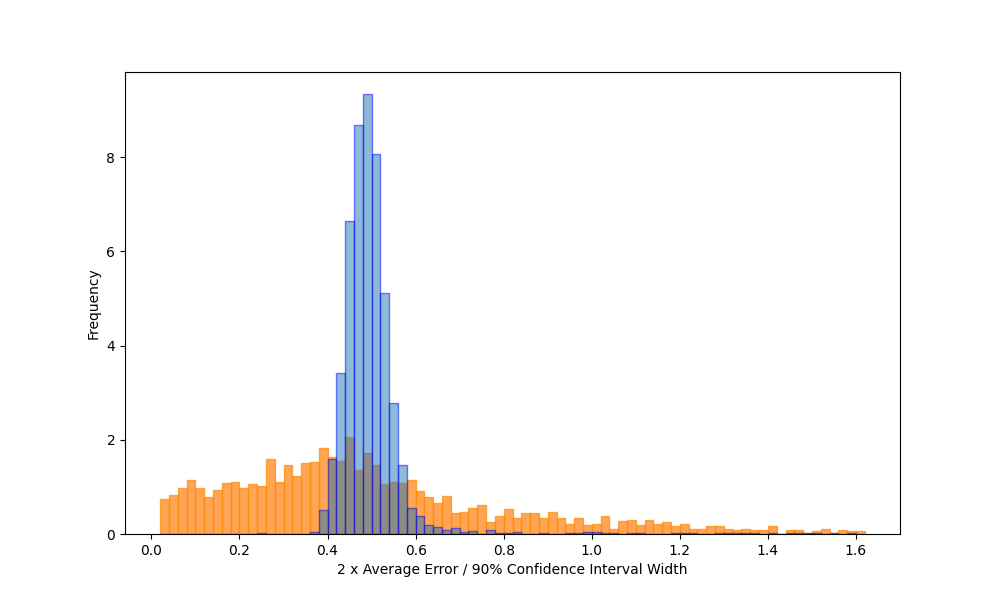
Fast approximate Elasticsearch ES|QL - part II
Explaining the approach we use to obtain fast approximate Elasticsearch ES|QL queries and the testing we did of error estimation.
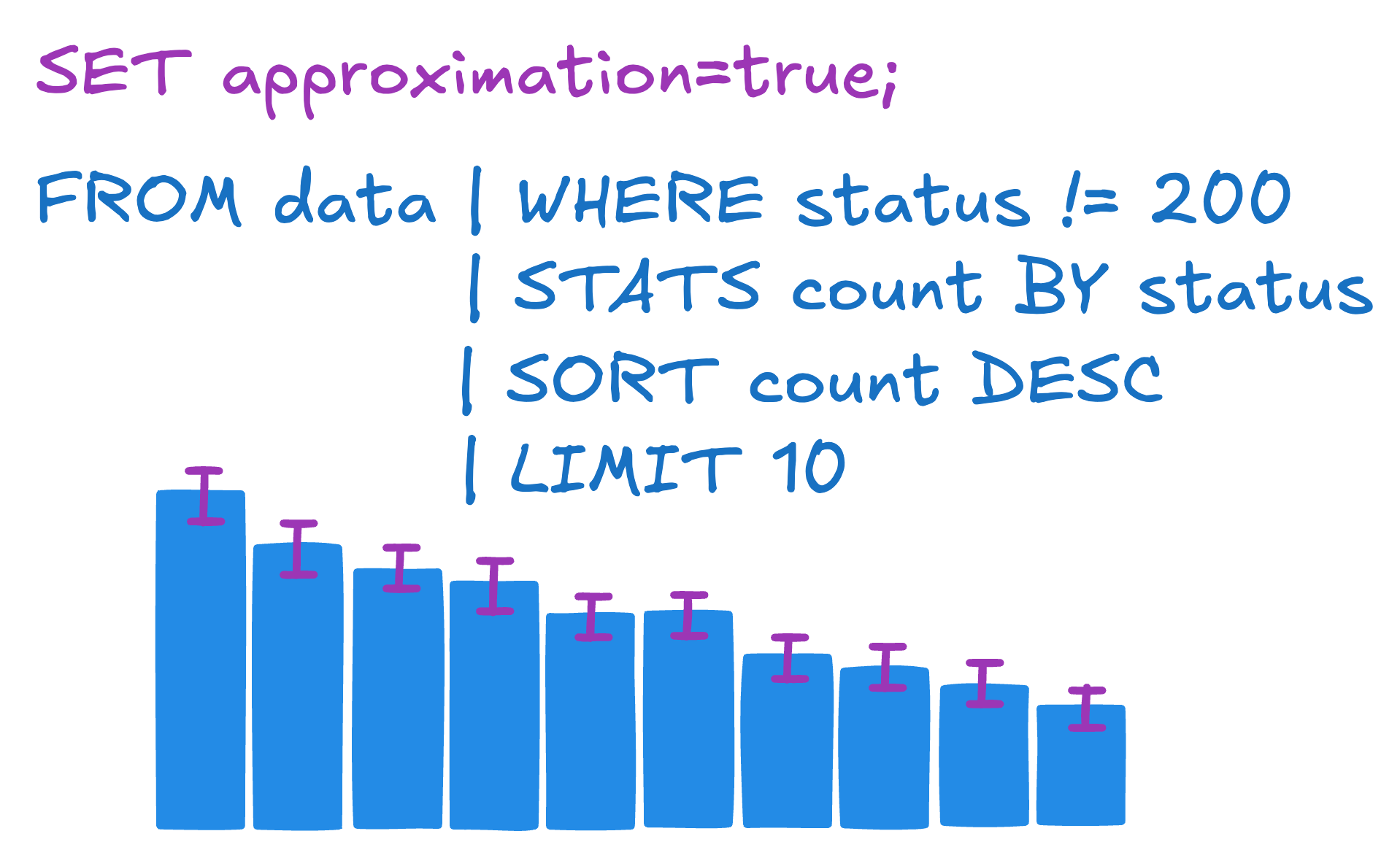
Fast approximate Elasticsearch ES|QL - part I
Introducing the work we've done on a fast approximate querying mode for Elasticsearch ES|QL. In many cases, it allows us to achieve orders of magnitude latency reductions while providing accurate estimates.
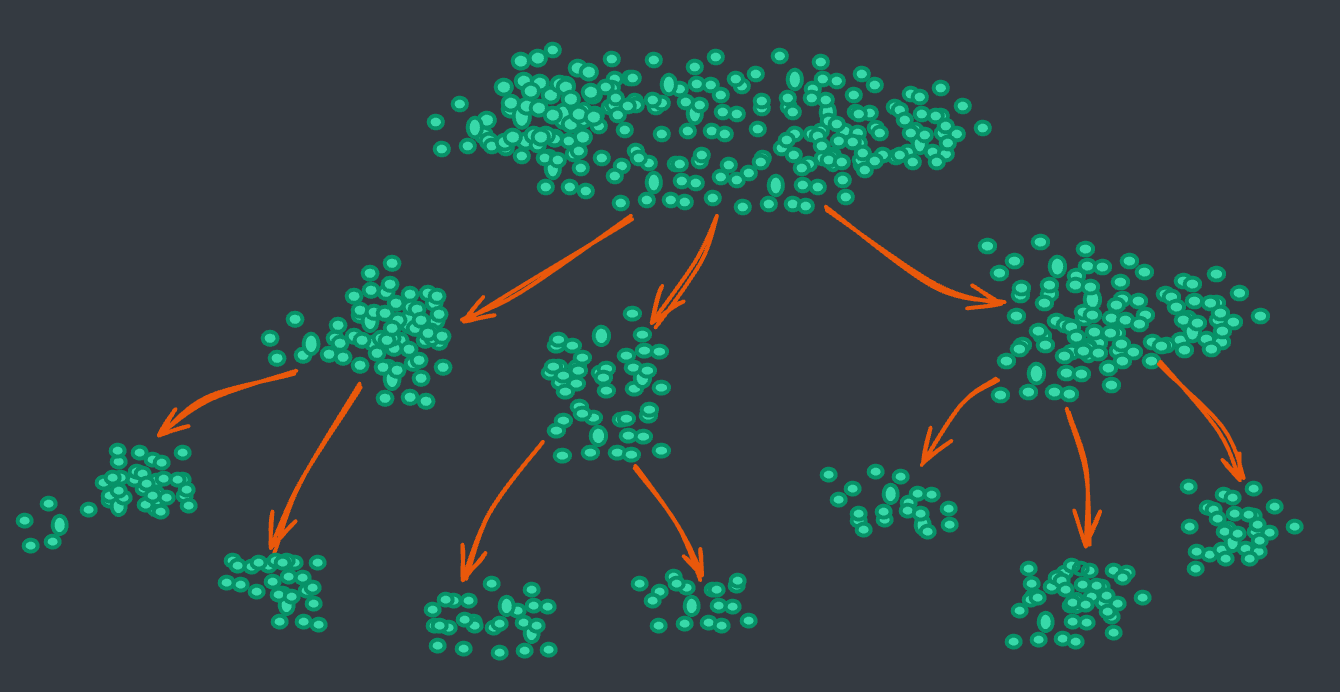
K-means for building vector indices
We discuss optimizing k-means to efficiently create high quality vector indices
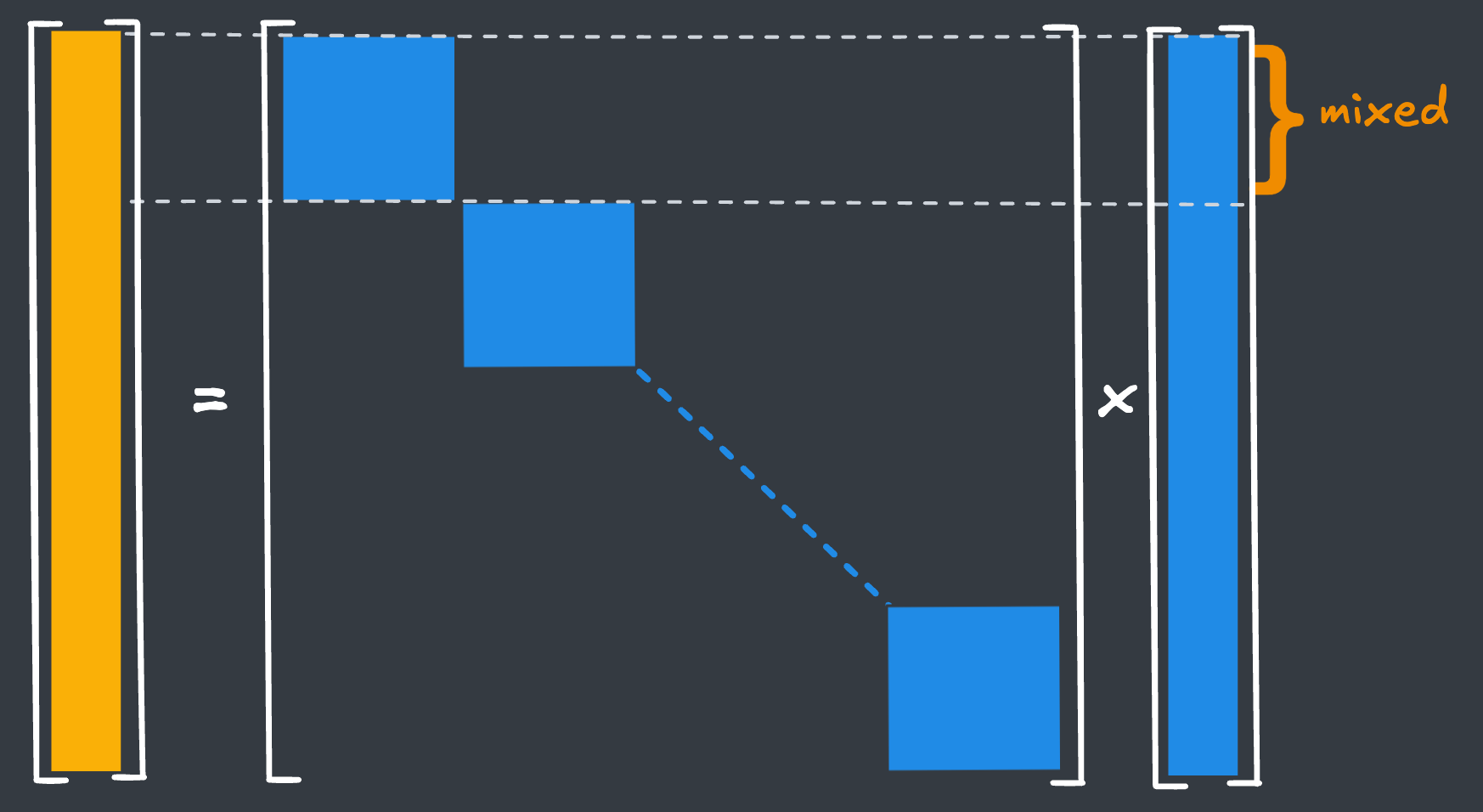
Optimizing scalar quantization with sparse preconditioners
We discuss a sparse preconditioner to apply to vectors which results in more stable quantization performance with respect to data distribution.
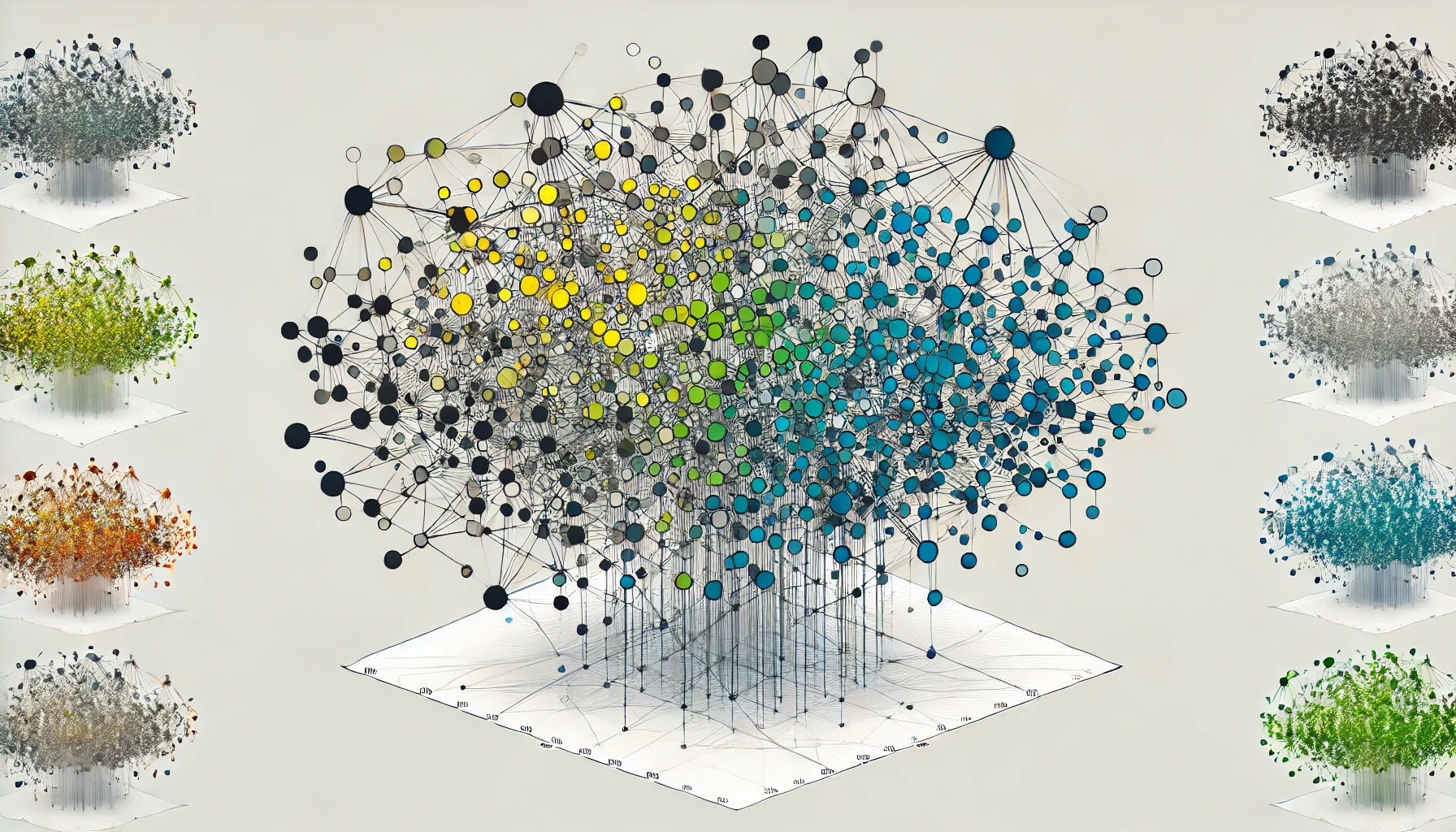
Speeding up merging of HNSW graphs
Explore the work we’ve been doing to reduce the overhead of building multiple HNSW graphs, particularly reducing the cost of merging graphs.

Improve search results by calibrating model scoring in Elasticsearch
Learn how to leverage annotated data to calibrate semantic model scoring for better search results

Understanding optimized scalar quantization
In this post, we explain a new form of scalar quantization we've developed at Elastic that achieves state-of-the-art accuracy for binary quantization.
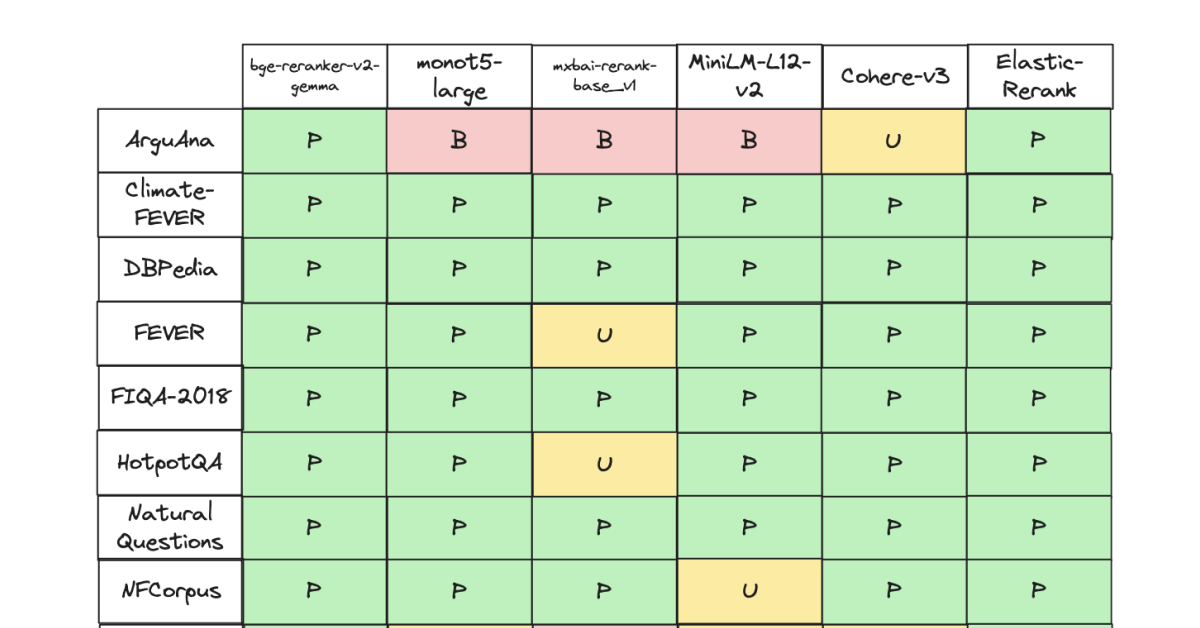
Exploring depth in a 'retrieve-and-rerank' pipeline
Select an optimal re-ranking depth for your model and dataset.
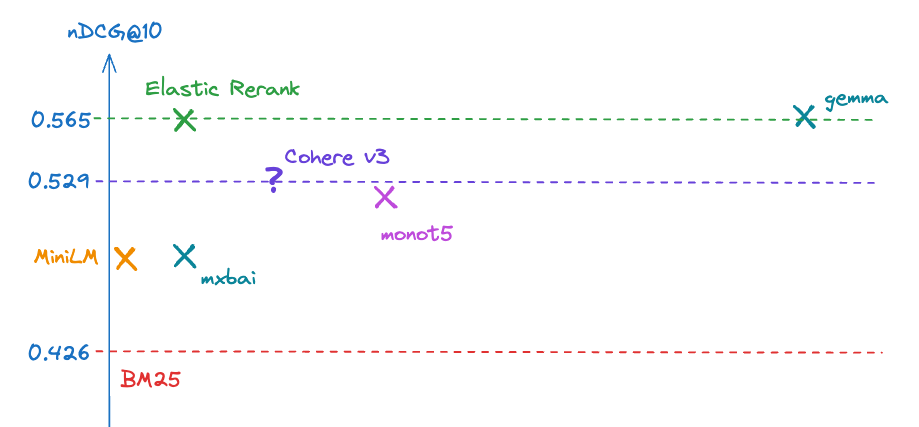
Introducing Elastic Rerank: Elastic's new semantic re-ranker model
Learn about how Elastic's new re-ranker model was trained and how it performs.
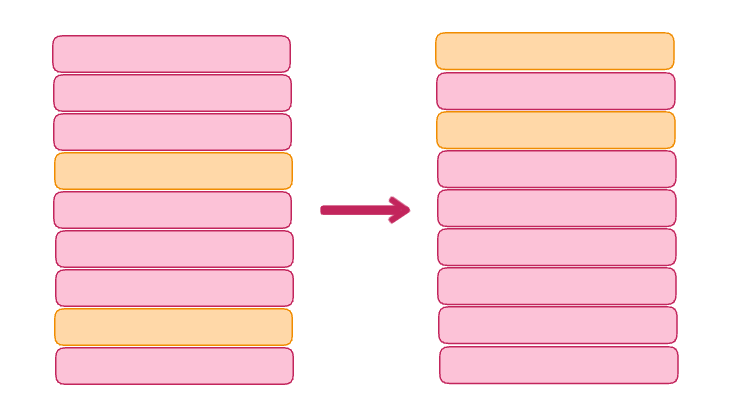
What is semantic reranking and how to use it?
Introducing the concept of semantic reranking. Learn about the trade-offs using semantic reranking in search and RAG pipelines.

Evaluating search relevance part 2 - Phi-3 as relevance judge
Using the Phi-3 language model as a search relevance judge, with tips & techniques to improve the agreement with human-generated annotation.
Evaluating search relevance part 1 - The BEIR benchmark
Learn to evaluate your search system in the context of better understanding the BEIR benchmark, with tips & techniques to improve your search evaluation processes.

Evaluating scalar quantization in Elasticsearch
Learn how scalar quantization can be used to reduce the memory footprint of vector embeddings in Elasticsearch through an experiment.
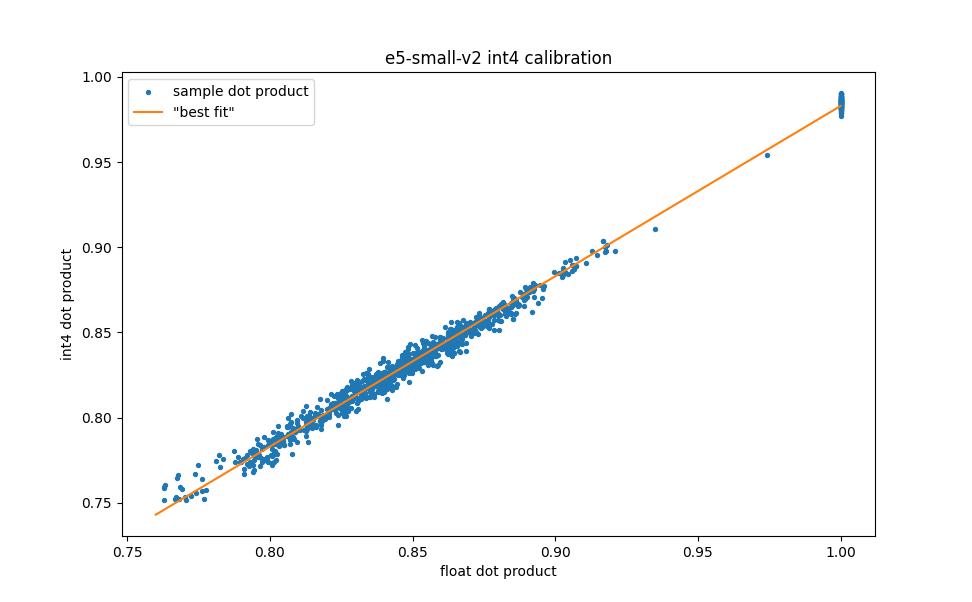
Scalar quantization optimized for vector databases
Optimizing scalar quantization for the vector database use case allows us to achieve significantly better performance for the same retrieval quality at high compression ratios.

Understanding Int4 scalar quantization in Lucene
This blog explains how int4 quantization works in Lucene, how it lines up, and the benefits of using int4 quantization.
Speeding up multi-graph vector search
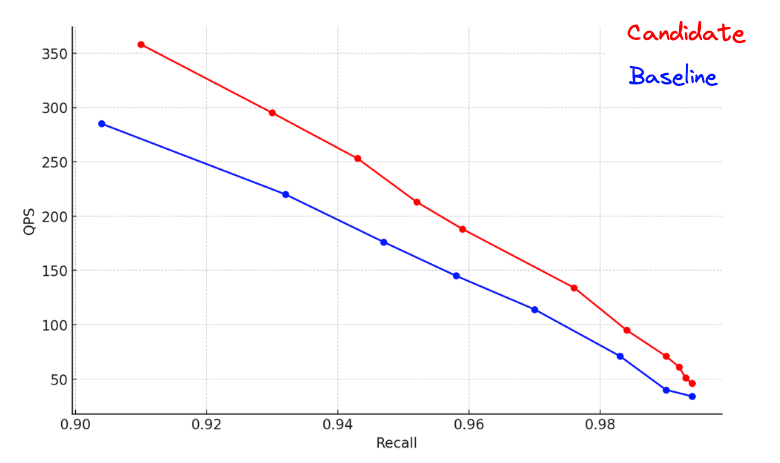
Explore multi-graph vector search in Lucene and discover how sharing information between segment searches enhances search speed.

RAG evaluation metrics: A journey through metrics
Explore RAG evaluation metrics like BLEU score, ROUGE score, PPL, BARTScore, and more. Discover how Elastic is evaluating RAG with UniEval.
Improving information retrieval in the Elastic Stack: Optimizing retrieval with ELSER v2
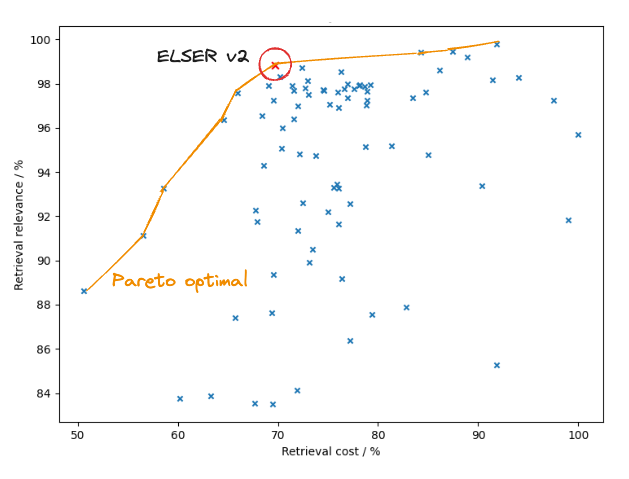
Learn how we are reducing the retrieval costs of the Learned Sparse EncodeR (ELSER) v2.
Improving information retrieval in the Elastic Stack: Improved inference performance with ELSER v2
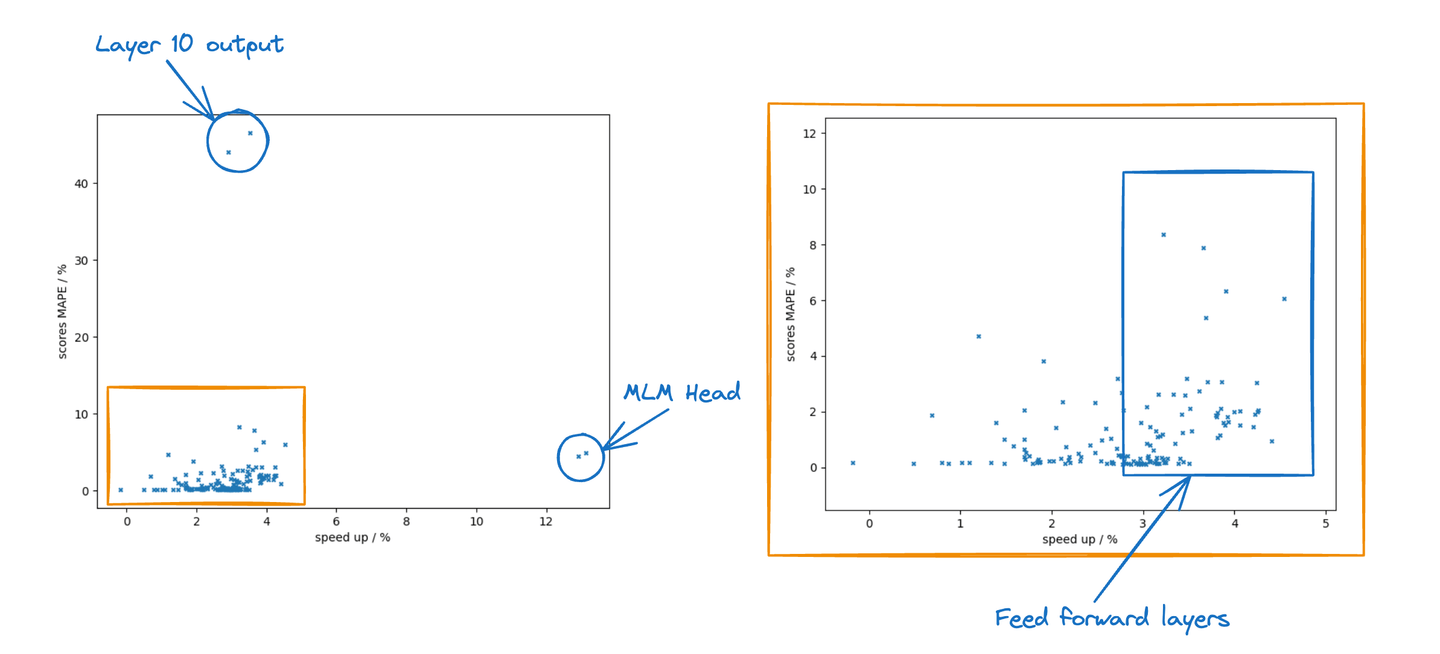
Learn about the improvements we've made to the inference performance of ELSER v2, achieving a 60% to 120% speed increase over ELSER v1.

Improving information retrieval in the Elastic Stack: Hybrid retrieval
In this blog we introduce hybrid retrieval and explore two concrete implementations in Elasticsearch. We explore improving Elastic Learned Sparse Encoder’s performance by combining it with BM25 using Reciprocal Rank Fusion and Weighted Sum of Scores.

Improving information retrieval in the Elastic Stack: Steps to improve search relevance
In this first blog post, we will list and explain the differences between the primary building blocks available in the Elastic Stack to do information retrieval.
Improving information retrieval in the Elastic Stack: Benchmarking passage retrieval
In this blog post, we'll examine benchmark solutions to compare retrieval methods. We use a collection of data sets to benchmark BM25 against two dense models and illustrate the potential gain using fine-tuning strategies with one of those models.

Improving information retrieval in the Elastic Stack: Introducing Elastic Learned Sparse Encoder, our new retrieval model
Learn about the Elastic Learned Sparse Encoder (ELSER), its retrieval performance, architecture, and training process.

Aggregate data faster with new the random_sampler aggregation
Aggregate billions of documents in milliseconds instead of minutes with Elastic. Learn more about how the new random_sampler aggregation gives you statistically robust results at a lower cost.